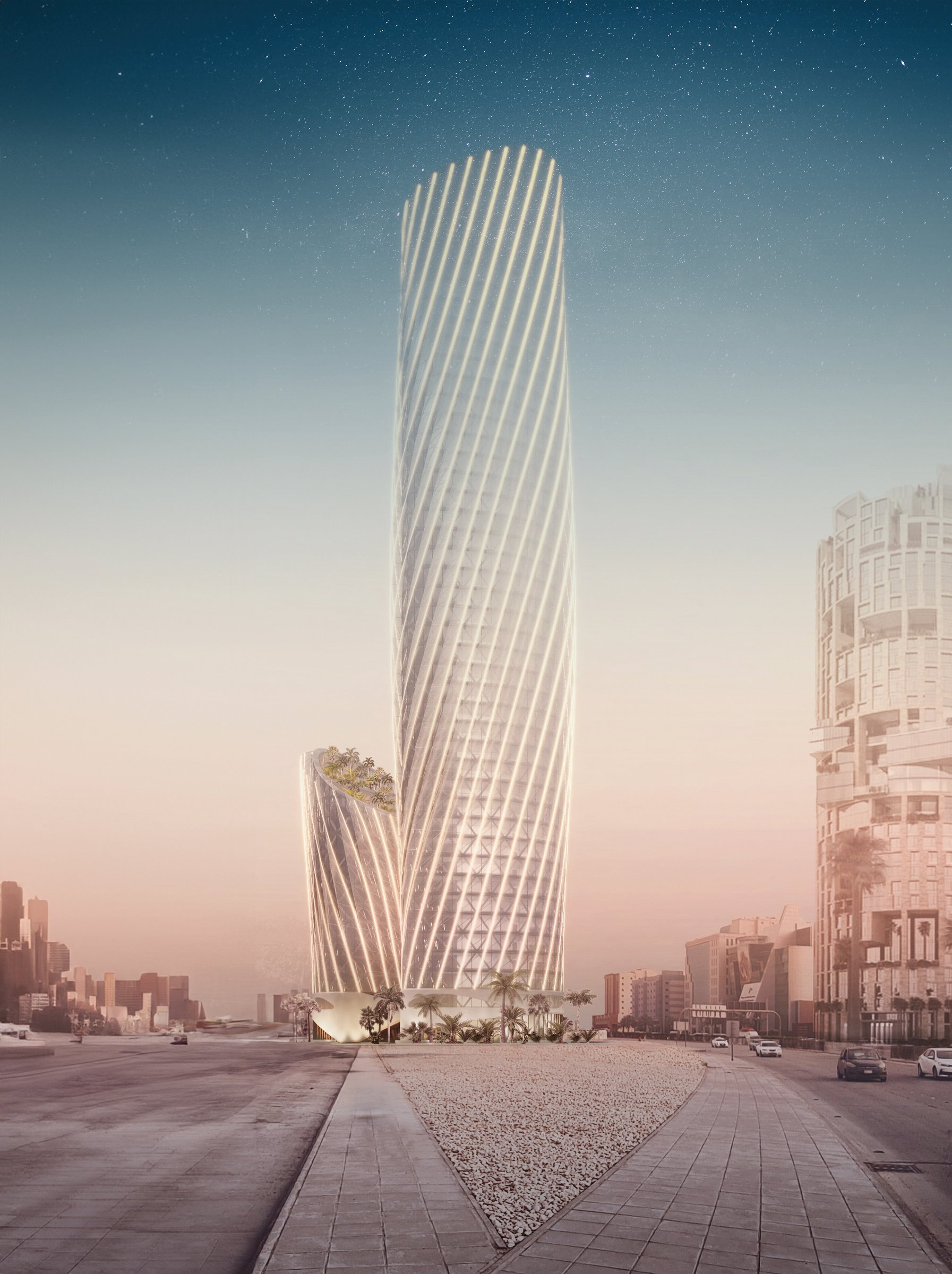
BinBaz Towers – An iconic hotel and hospital for the Bin Baz Foundation in Riyadh
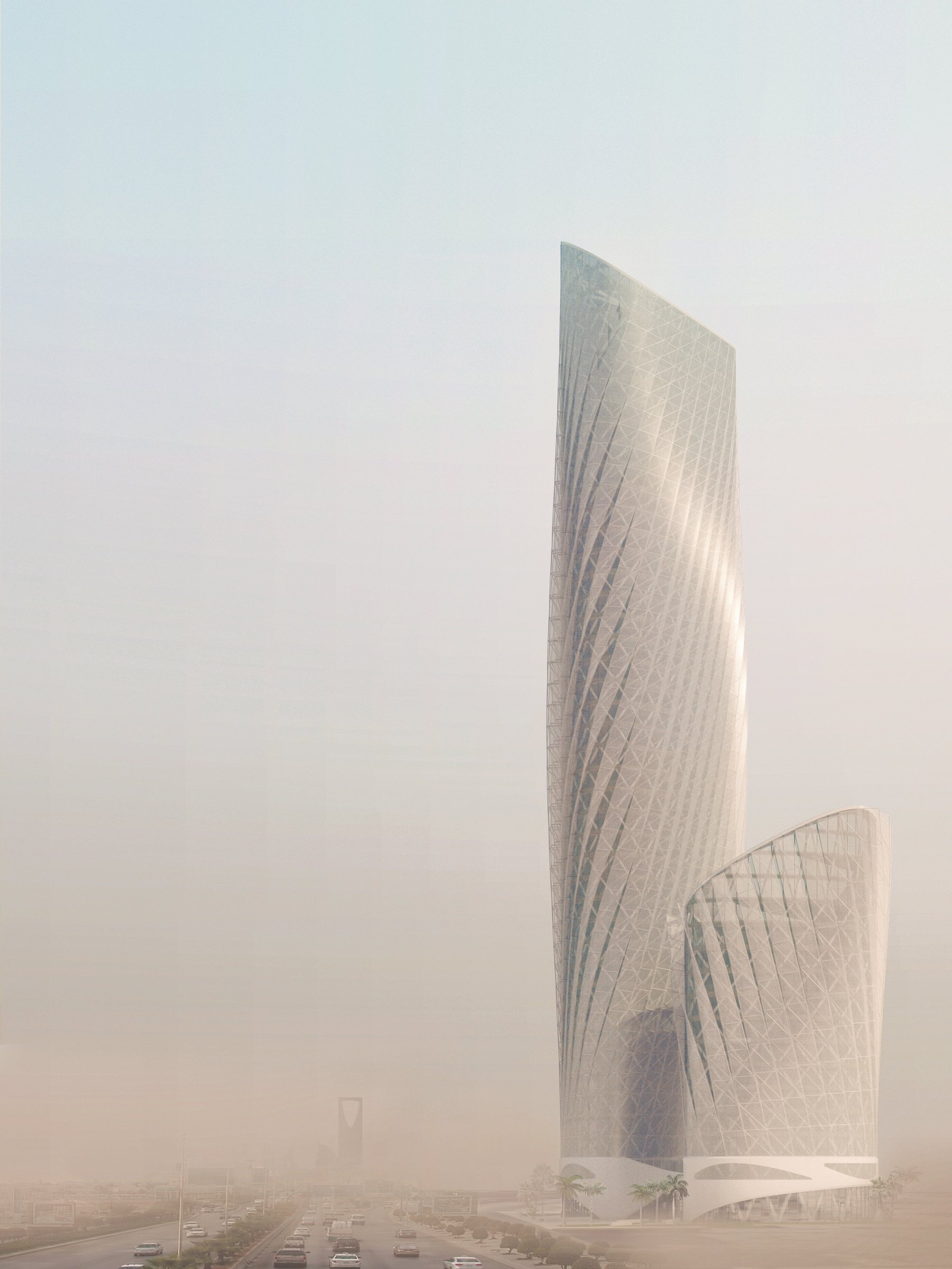
Two aerodynamic towers for Saudi Arabia’s Vision 2030 programme: Tower A (hotel and apartments, 160 m / 45 storeys) and Tower B (hospital, 55 m / 15 storeys), with parametric design and interior design by BCA as part of the Bottega Aurea team.
2021 · Riyadh, Saudi Arabia · Iconic hotel + Specialist hospital · Digital & Parametric Design + High-end interiors + Public & Commercial Architecture
Sails of light in the desert
Riyadh is a city undergoing rapid transformation. Vision 2030 (the Saudi strategy for economic diversification and openness) is rewriting the capital’s skyline, with public and private investments seeking to combine modernity, Arab identity and contemporary environmental standards. The Bin Baz Foundation, a prominent organisation in the Kingdom, has commissioned a two-tower urban complex along King Fahad Road, one of the city’s main thoroughfares, intended to become a benchmark for future developments in the heart of Riyadh: a private infrastructure that embodies the values (beauty, community, self-sufficiency, quality of life) of the national programme.
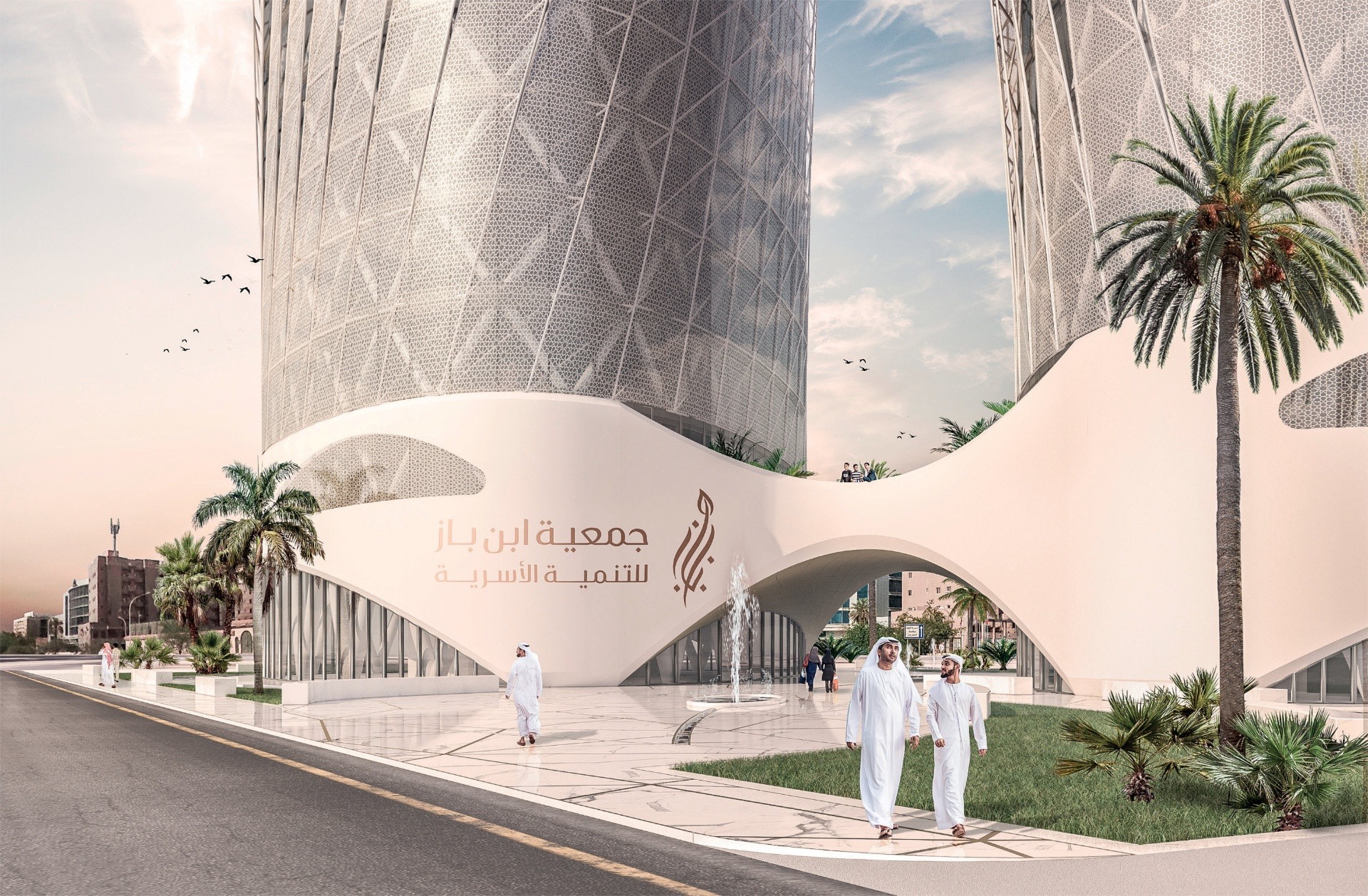
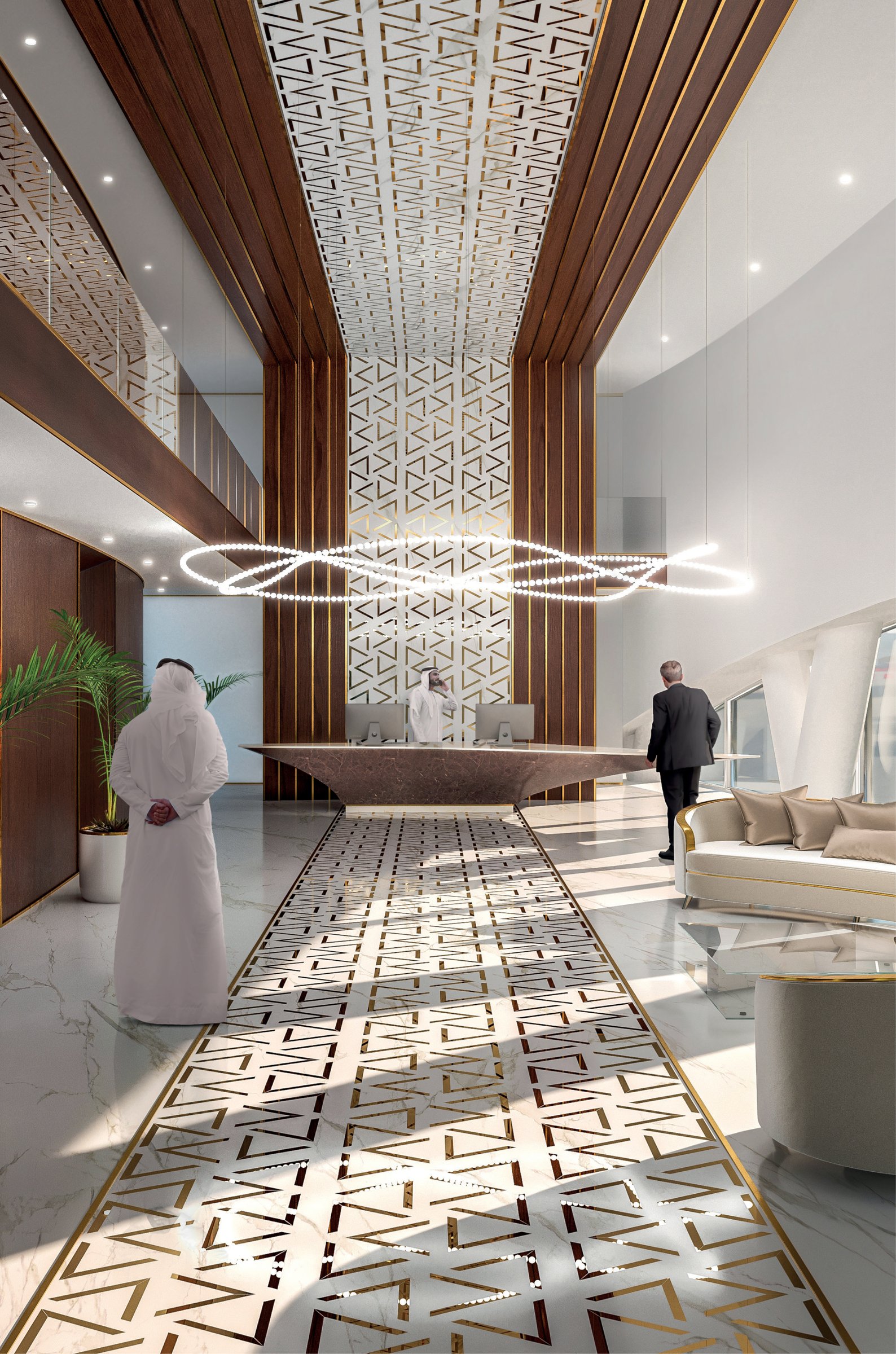
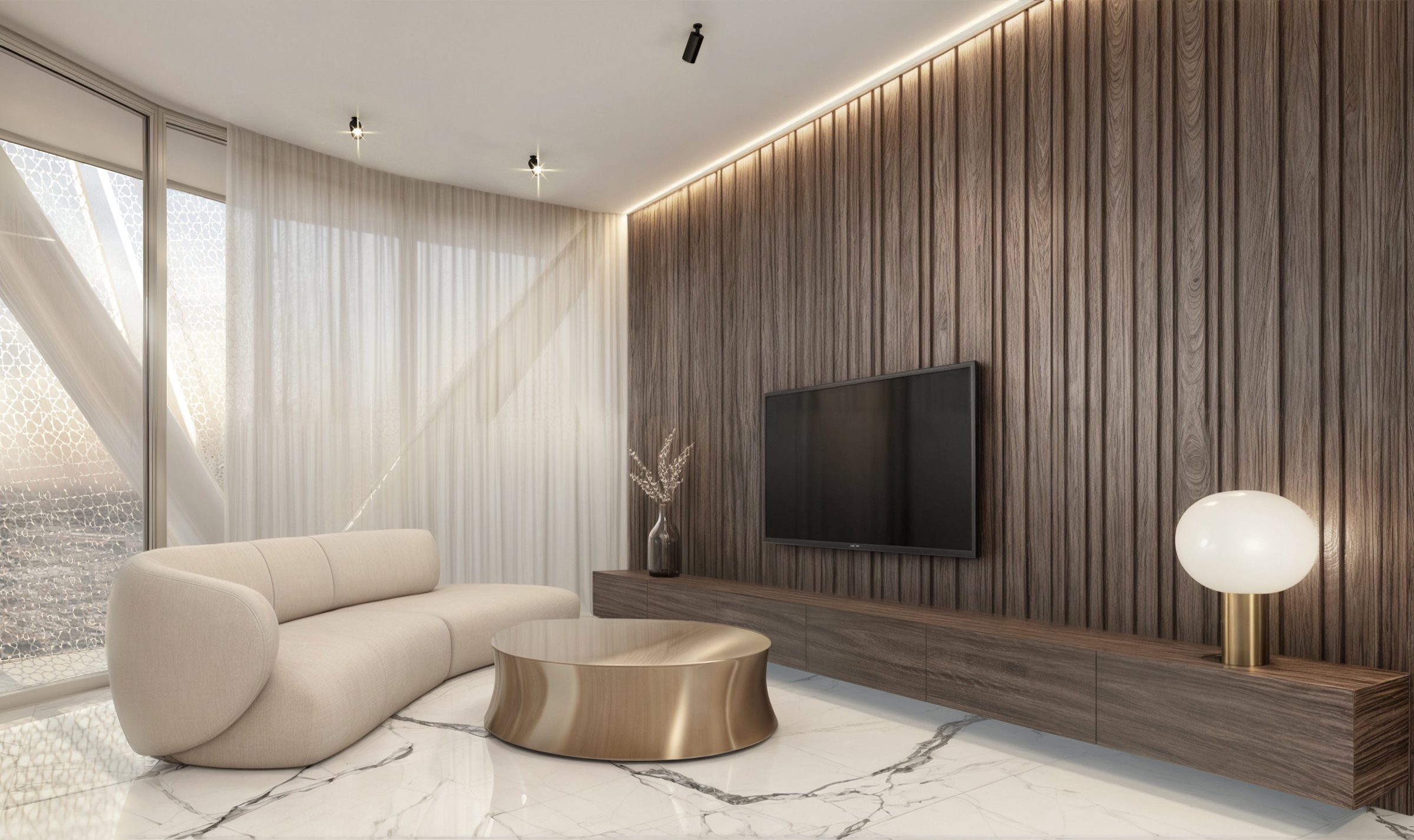
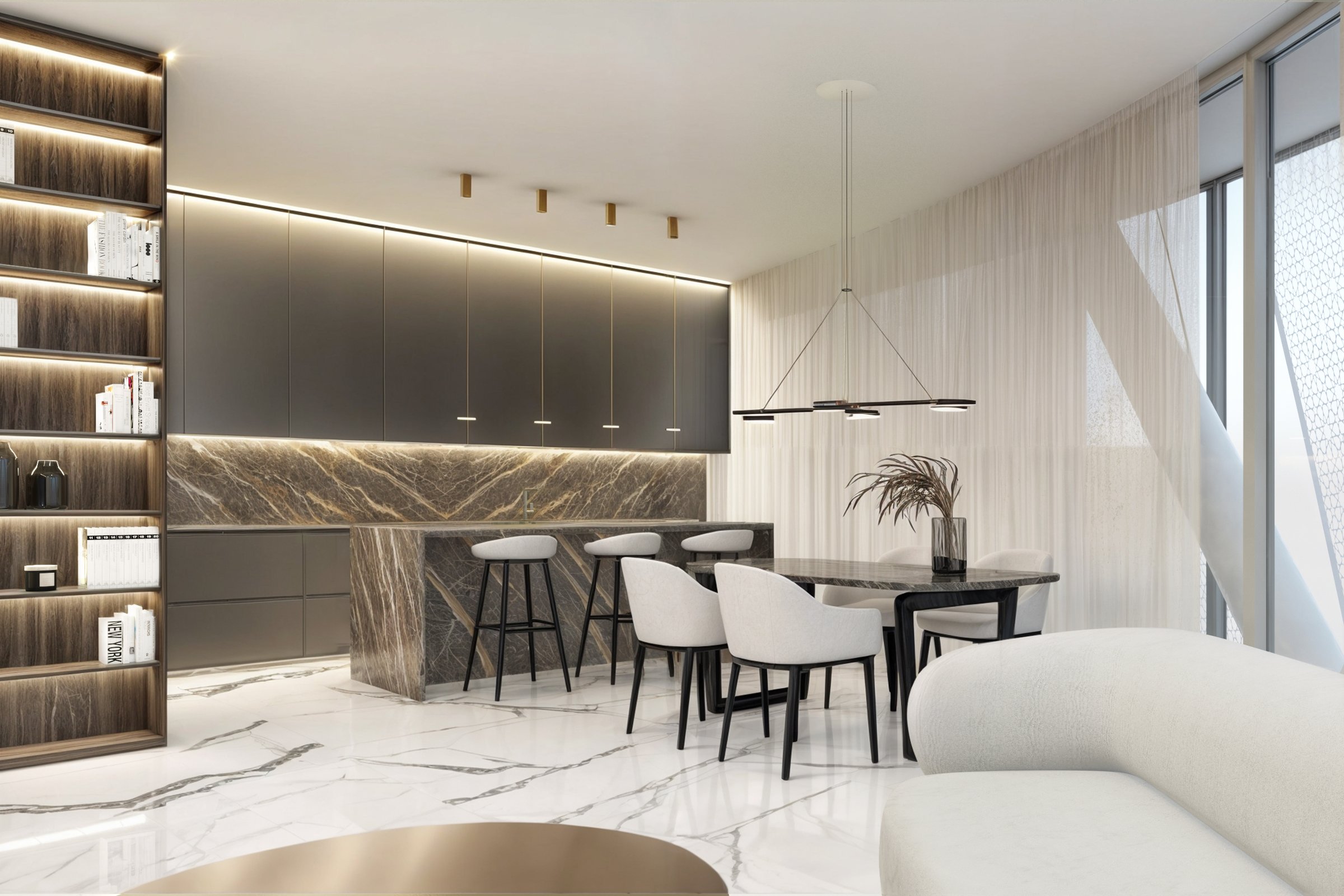
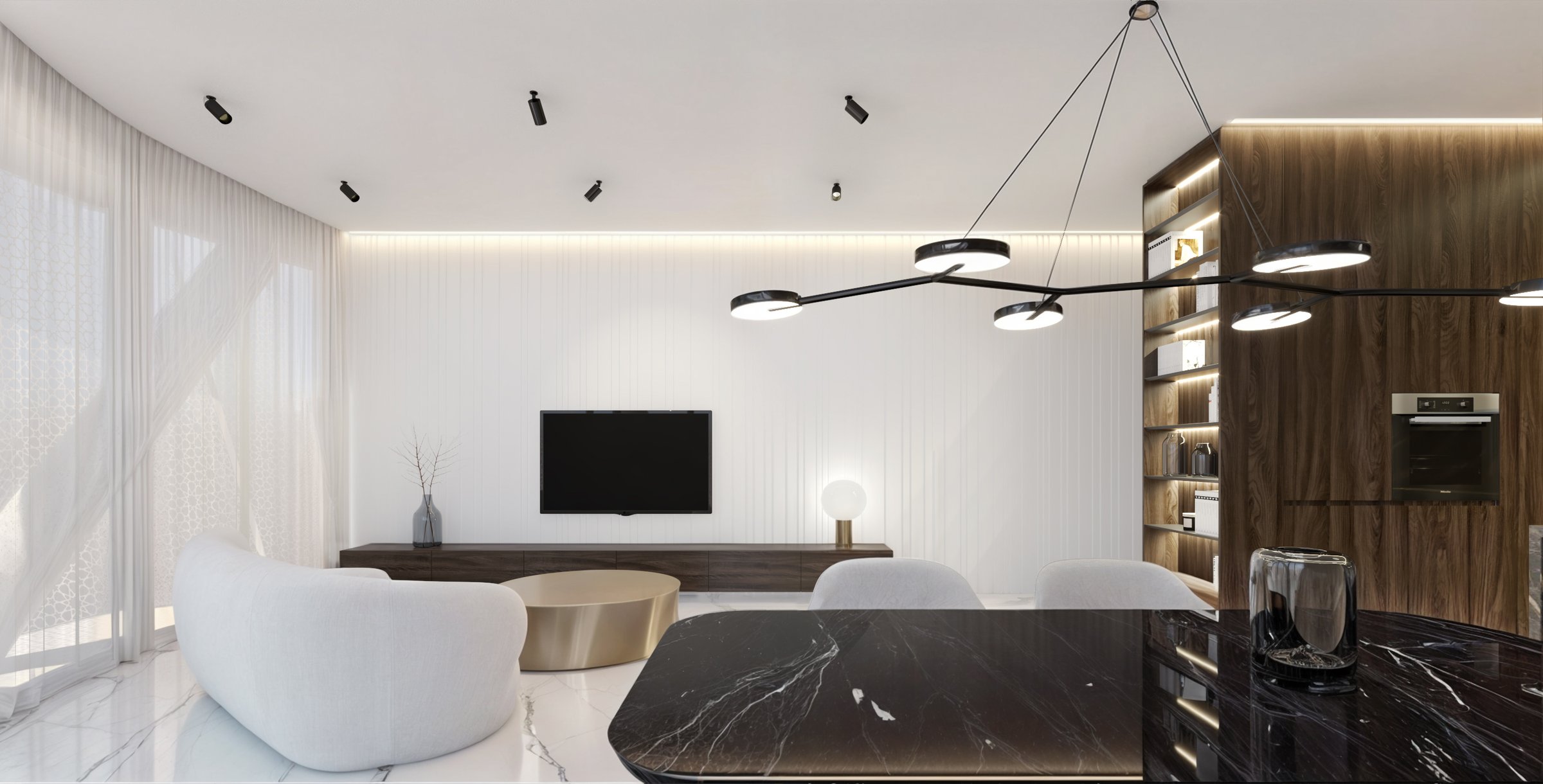
The project was led by the team affiliated with Bottega Aurea Architecture & Masterplanning in Taranto. Within the team, Barberio Colella Architetti oversaw two specific and complementary areas: Maurizio Barberio led the Digital and Parametric Design, the aerodynamic curvilinear geometry of the towers, generated and verified using computational tools, whilst Micaela Colella developed the interior architecture of the private apartments. The environmental design was overseen by Angelo Figliola, continuing the team’s long-standing collaborations. The design challenge was twofold: to respond to Riyadh’s extreme desert climate (temperatures exceeding 45°C, predominantly northerly winds, and intense solar radiation) and to translate the themes of Vision 2030 into an iconic yet measured architecture, capable of reinterpreting the archetypes of traditional Islamic architecture (vaulted spaces, mashrabiyya, water basins) in a contemporary key.
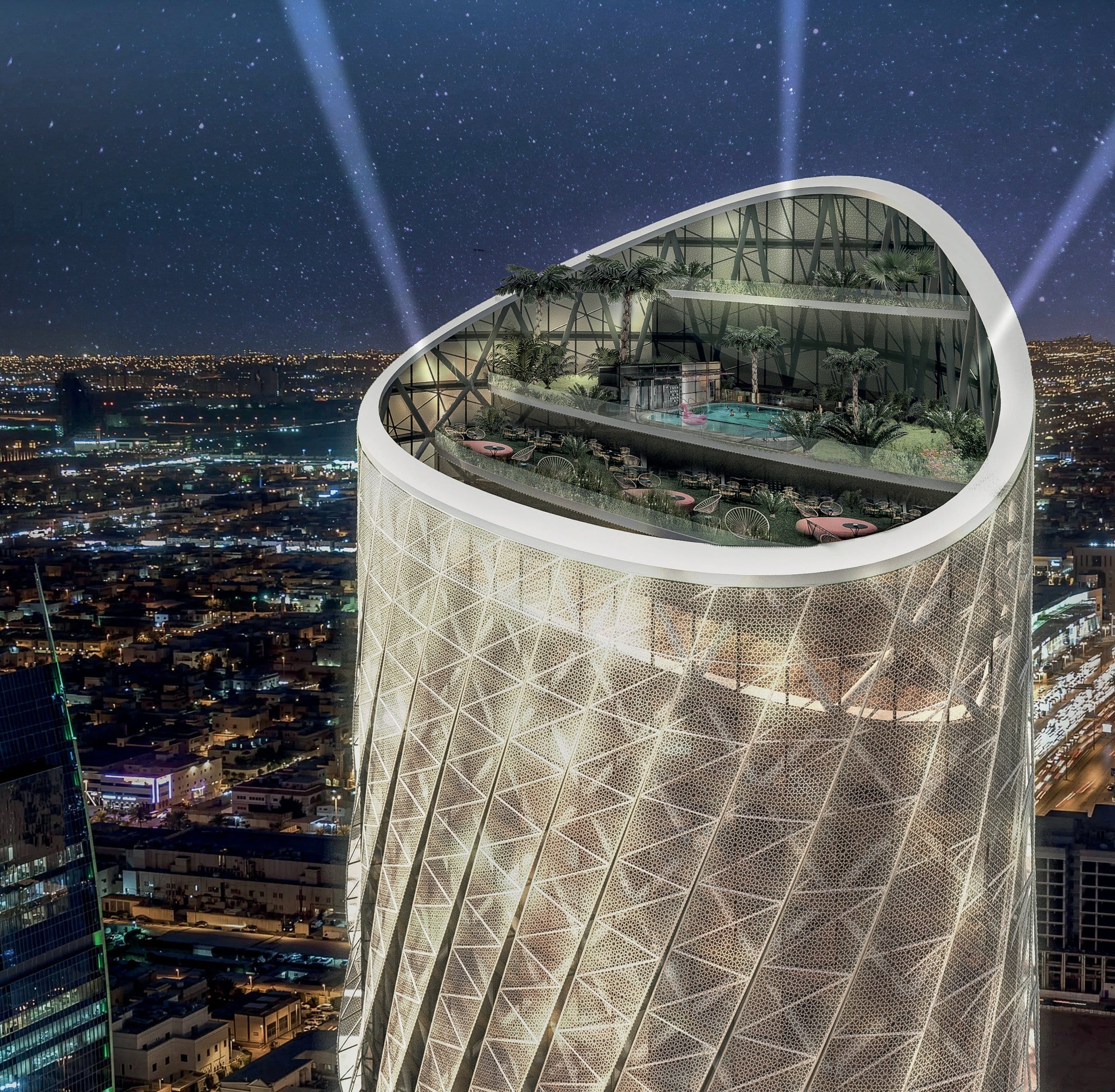
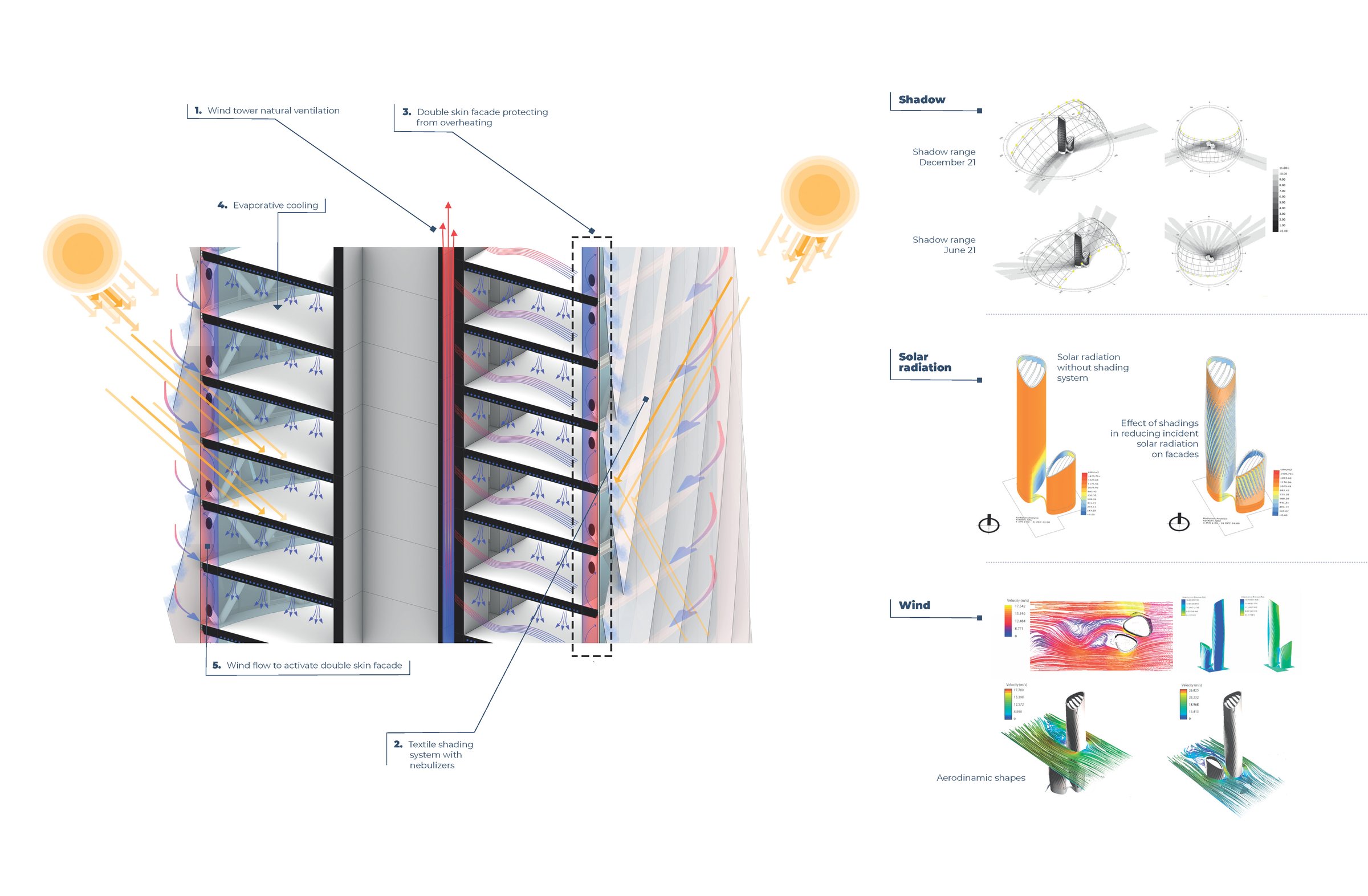
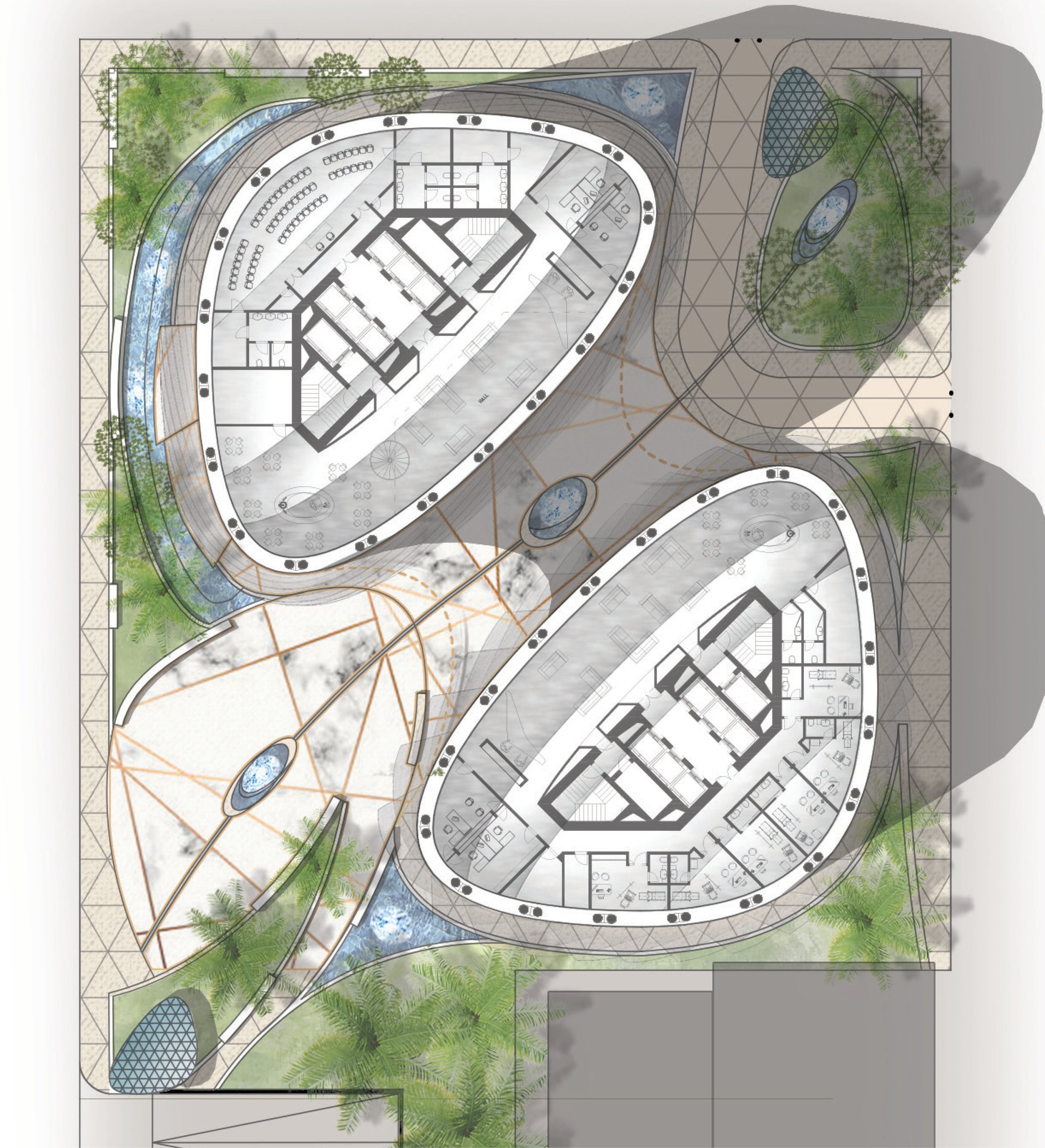
The two towers differ in scale and function. Tower A is the complex’s iconic building: 160 metres tall with 45 floors, it houses a hotel offering high-end facilities (conference rooms, restaurants, a rooftop garden bar, swimming pool, gyms, hammam and shops) and 66 apartments of various sizes with views of the skyline. Tower B, 55 metres tall with 15 storeys, is set to become a modern hospital with over 100 beds, including five floors dedicated to specialist clinics and the most efficient patient services. Below street level, four levels of underground car park provide space for around 500 cars. The aerodynamic shape of the building (a curvilinear volume that curves along the axis of the prevailing winds) is the result of fluid dynamics optimisation: it reduces wind pressure on the north-facing facades and the roof, a critical factor for towers of this height in Riyadh.
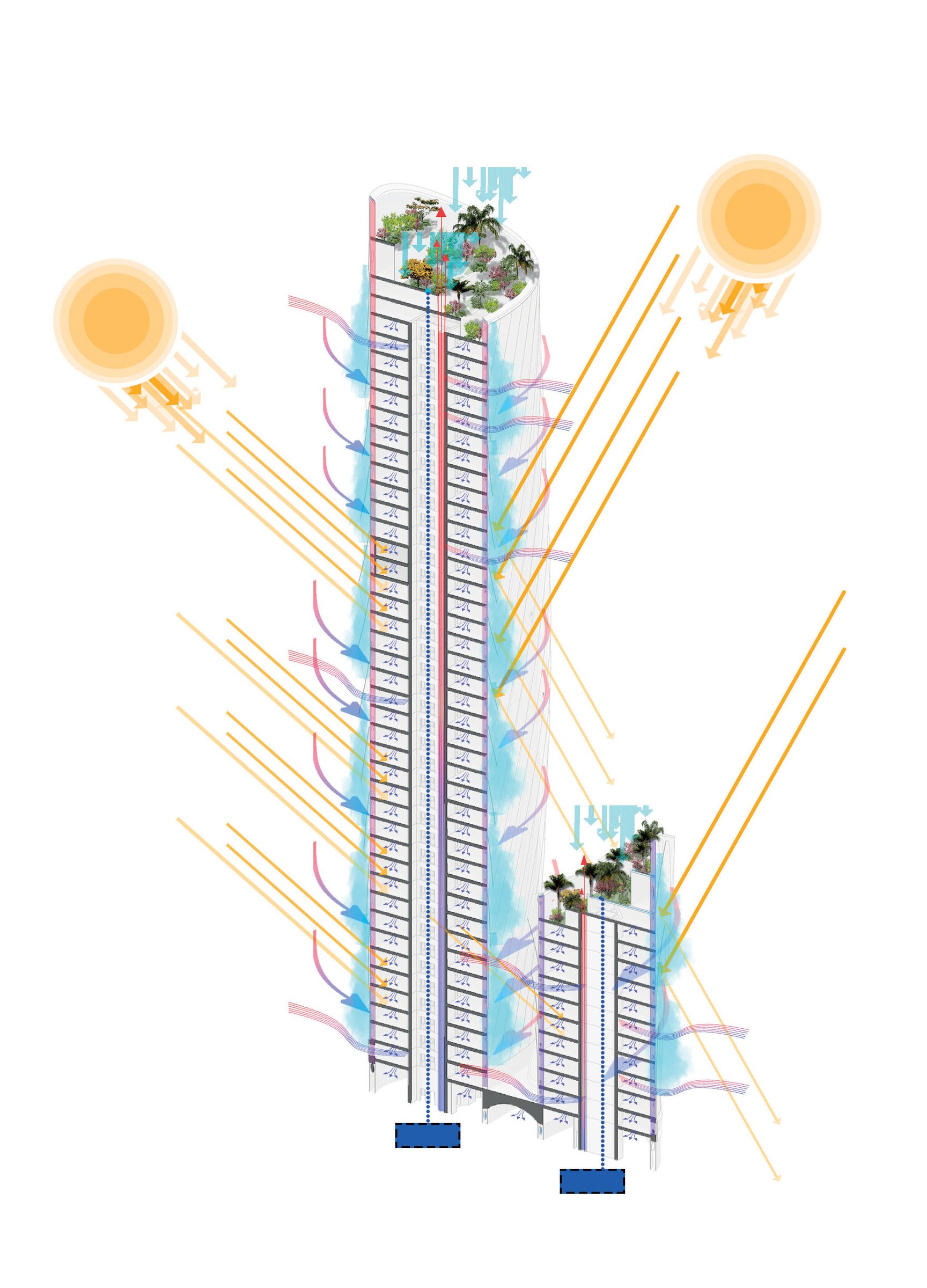
The building envelope is a double-skin ventilated facade that prevents the interior spaces from overheating; a solar chimney integrated into the core of the towers extracts hot air and activates passive ventilation during the hottest months. The glazed openings are protected by a textile shading system with built-in water misters, which reduces direct solar radiation and lowers the air temperature at the entrance to the spaces through evaporation. The project combines luxurious interiors with extensive public green spaces outside, featuring urban squares designed for the local community. BinBaz Towers is not a single building: it is a small piece of the city that aims to become a replicable model for Riyadh, light and form for the new humanity that the Saudi capital is building.
Renders & Photos
Technical specifications
- Location
- Riyadh, Saudi Arabia, King Fahad Road
- Year
- 2021
- Client
- Bin Baz Foundation (Riyadh, Kingdom of Saudi Arabia)
- Typology
- Mixed-use urban complex: Tower A (hotel and apartments; Tower B) specialist hospital
- Staircase – Tower A
- 160 metres high, 45 storeys · high-end hotel with conference rooms, restaurants, a rooftop garden bar, swimming pool, gyms, hammam and shops · 66 apartments of various sizes
- Staircase – Tower B
- 55 metres high, 15 storeys · a modern hospital with over 100 beds, including 5 storeys of specialist clinics
- Underground car park
- 4 underground car parks, approx. 500 parking spaces
- Status
- Concept
- Lead firm
- Bottega Aurea Architecture & Masterplanning Ltd
- Project Management
- Rinaldo Melucci
- Principal Architect
- Ubaldo Occhinero
- Architectural Design
- Marco Stigliano, Micaela Pignatelli
- Digital and Parametric Design
- Maurizio Barberio (Barberio Colella Architects)
- Interior Architecture
- Micaela Colella (Barberio Colella Architects)
- Environmental Design
- Angelo Figliola
- Contributors
- Dario Costantino, Ilaria Pinto, Alma Tafuni
- Environmental strategies
- Aerodynamic shape to reduce wind pressure; ventilated double-skin facade to prevent overheating; solar chimney integrated into the core for passive ventilation; fabric shading over glazed openings fitted with water misters; water basins and vegetation used as evaporative cooling systems
- Cultural references
- A contemporary reinterpretation of archetypes from traditional Islamic architecture: elegant vaulted spaces, mashrabiyya, water basins and waterfalls, and integrated vegetation
Technical drawings
How does one design an iconic urban complex in an extreme desert climate, whilst reducing dependence on mechanical systems?
Major Middle Eastern cities (Riyadh foremost among them) face a construction paradox: to ensure comfort in high-rise buildings during the summer (over 45°C), the standard practice is to install massive air-conditioning systems that consume enormous amounts of energy. The result is a skyline of sealed, energy-guzzling and culturally neutral buildings, where solar radiation and wind become problems to be hidden rather than resources to be harnessed. BinBaz Towers demonstrates a different approach: the curvilinear aerodynamic form reduces wind pressure at a geometric level; the ventilated double-skin facade, the solar chimney in the core and the textile screens with water misters passively regulate light, heat and humidity; the contemporary reinterpretation of the mashrabiyya and water basins reintroduces a language rooted in local tradition into high-end Saudi architecture. Parametric design is not a formal exercise: it is the tool that allows every curve and every opening to be calibrated against the site’s actual climate data.
Frequently Asked Questions
Do you have an urban-scale project or an iconic building in an extreme climate?
If you are developing projects for towers, mixed-use developments, high-end hotels or healthcare facilities in desert or tropical climates, we can support you through the Digital and Parametric Design phases (geometry, fluid dynamics optimisation, parametric shading) and with the interior design of reception areas. BCA collaborates with Italian and international firms as part of multidisciplinary teams.
Let’s talk about your projectWe’ll get back to you within 48 hours. No obligation.
Related projects
Sustainable Design
URBAN DUNES
A 3D-printed desert sand structure that transforms a public space into a passively air-conditioned urban oasis.
Sustainable Design
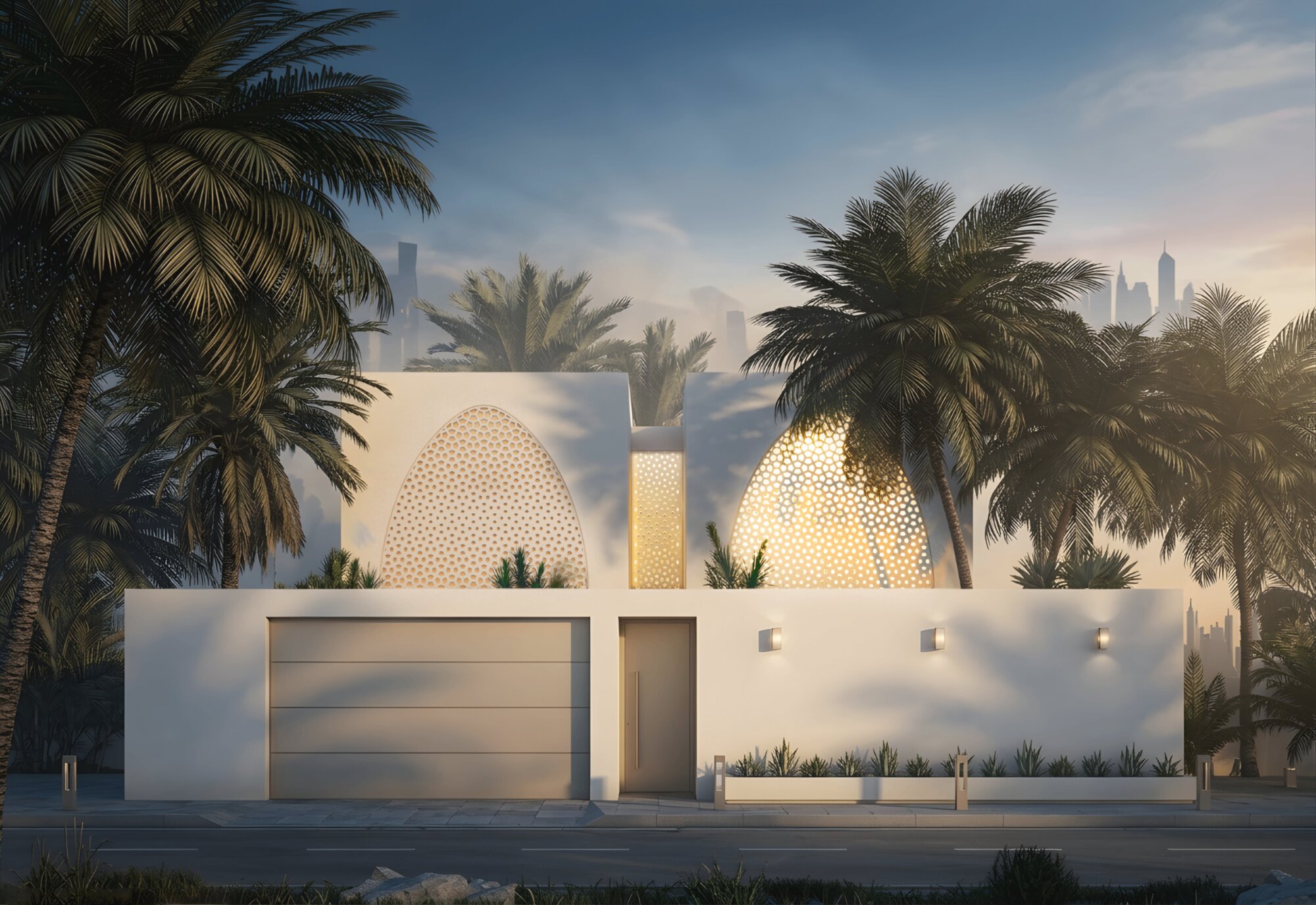
NEW ROOTS
A residential project that reinterprets the elements of traditional Gulf architecture (compact forms, shading surfaces, and the integration of water and greenery) through a contemporary bioclimatic lens.
Sustainable Design
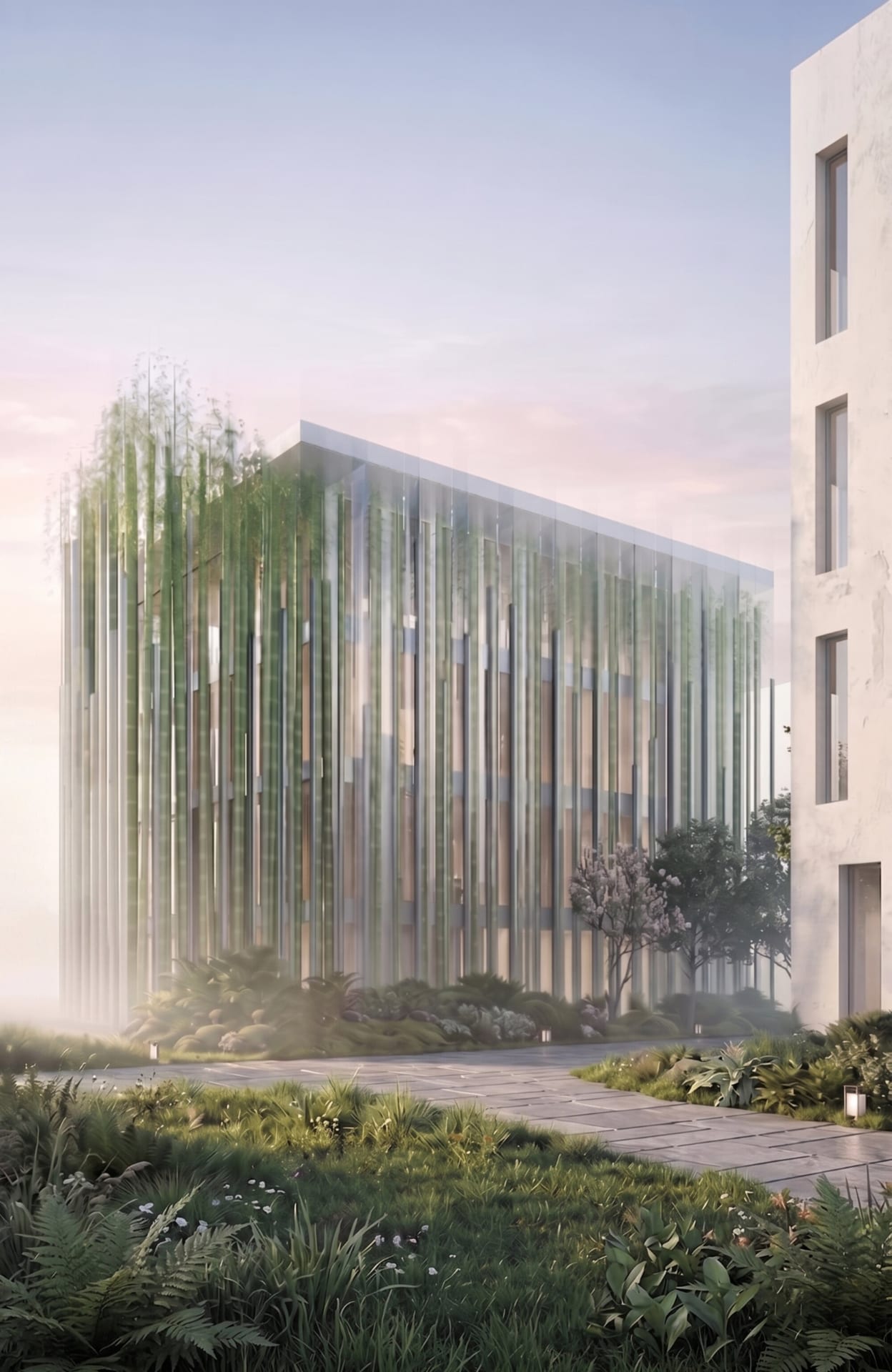
BAMBOO OFFICE
A building where the facade serves as the primary climate control system: a fifteen-metre-high bamboo forest that filters light, heat and wind.