Vantaa Masterplan — Sustainable urban regeneration of the Katrineberg area
A masterplan that brings together a fragmented area of Vantaa into a bioclimatic neighbourhood, where historical heritage, nature and the community are once again woven into the same vision.
2024 · Vantaa · Urban masterplan · Sustainable Design
Reconnecting Katrineberg with nature
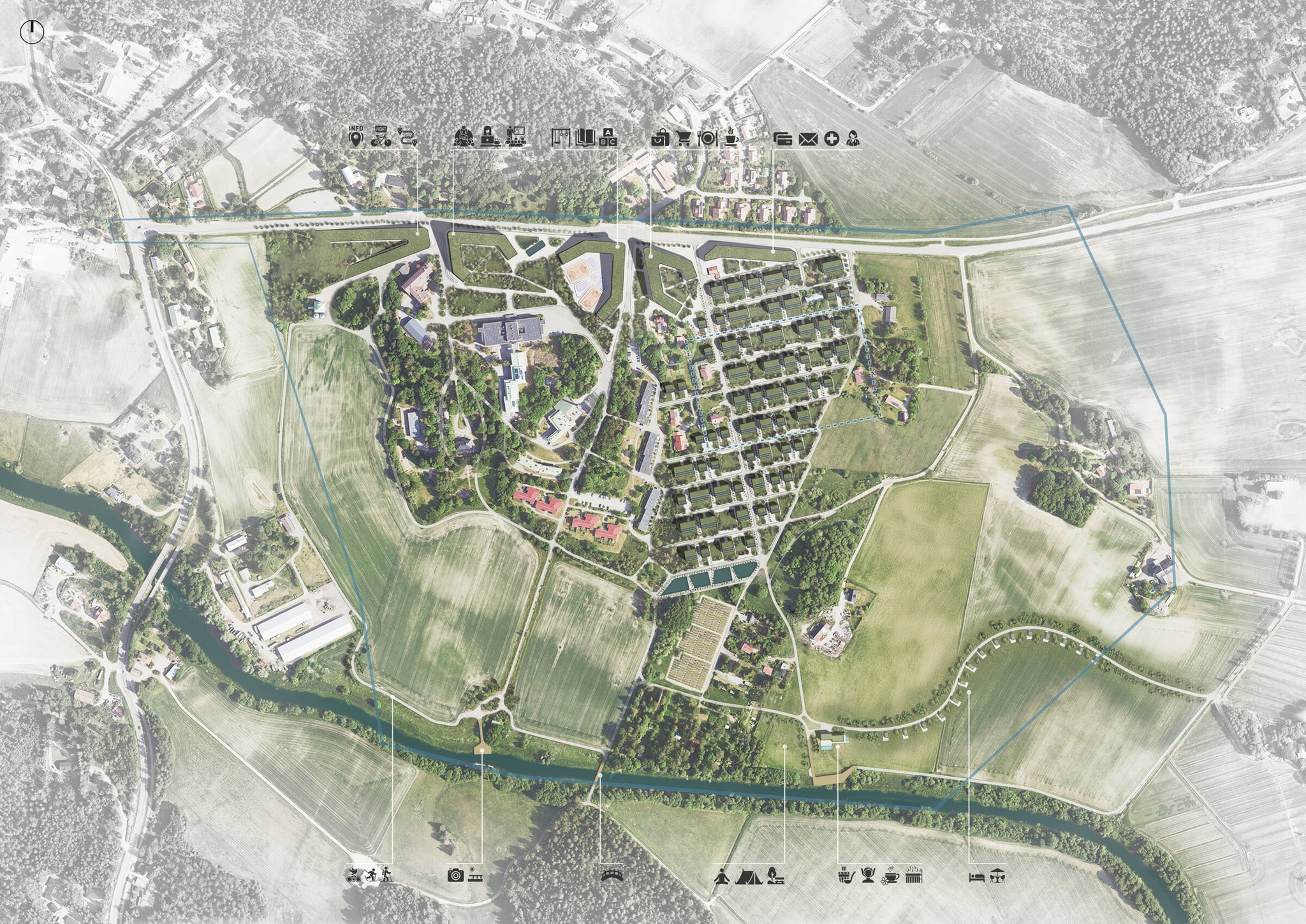
Katrineberg is an area of Vantaa, north of Helsinki, where a historic manor house, a hospital, a number of residential properties and the countryside along the River Vantaa coexist without any overarching design to tie them together. The international competition called for the regeneration of this fragmented area in a sustainable manner, without erasing its history. The proposal by Barberio Colella Architetti, led by Micaela Colella, is based on a simple conviction: sustainability is not a goal to be flaunted, but the way in which a neighbourhood is brought together and then lived in.
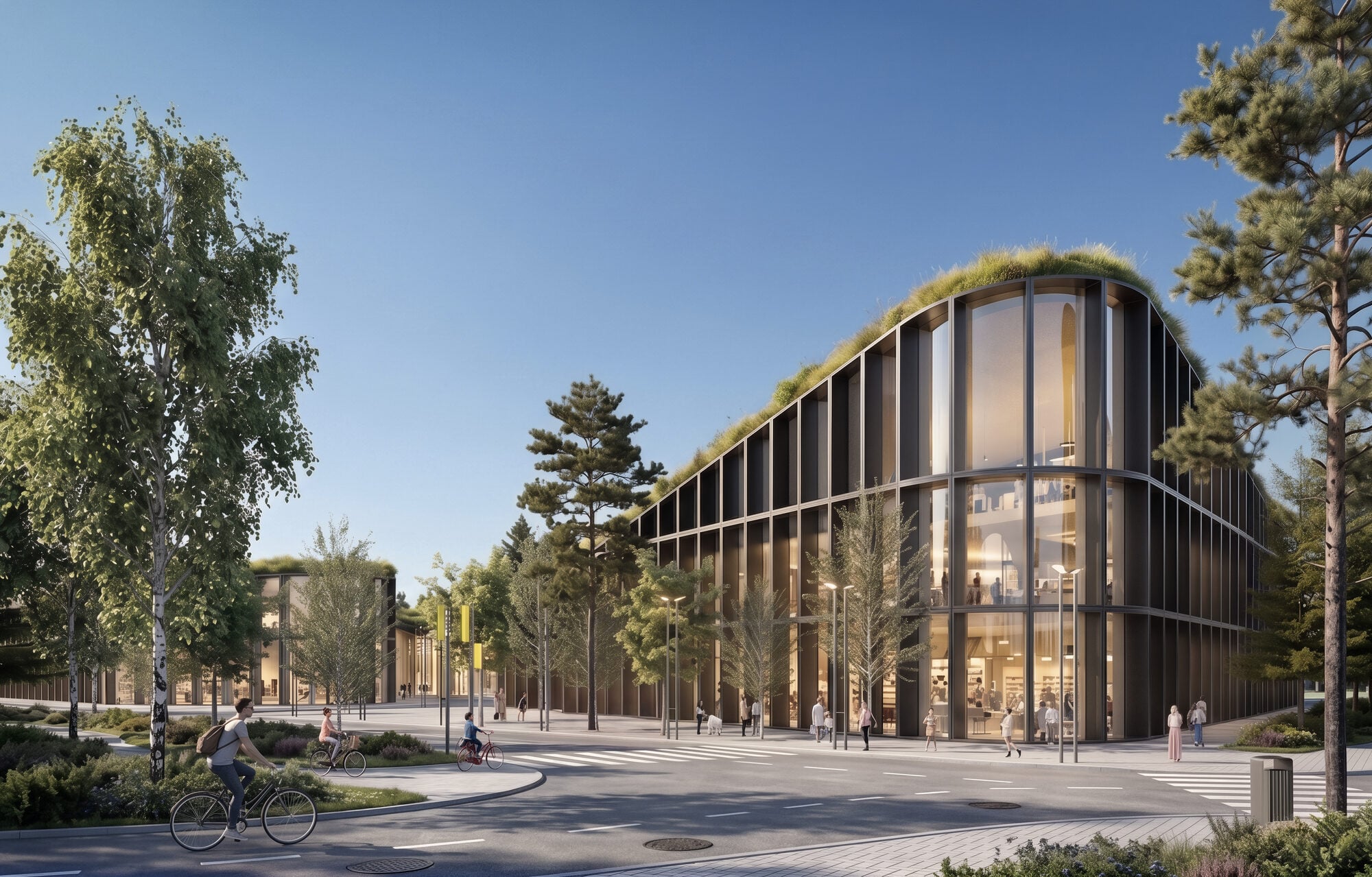
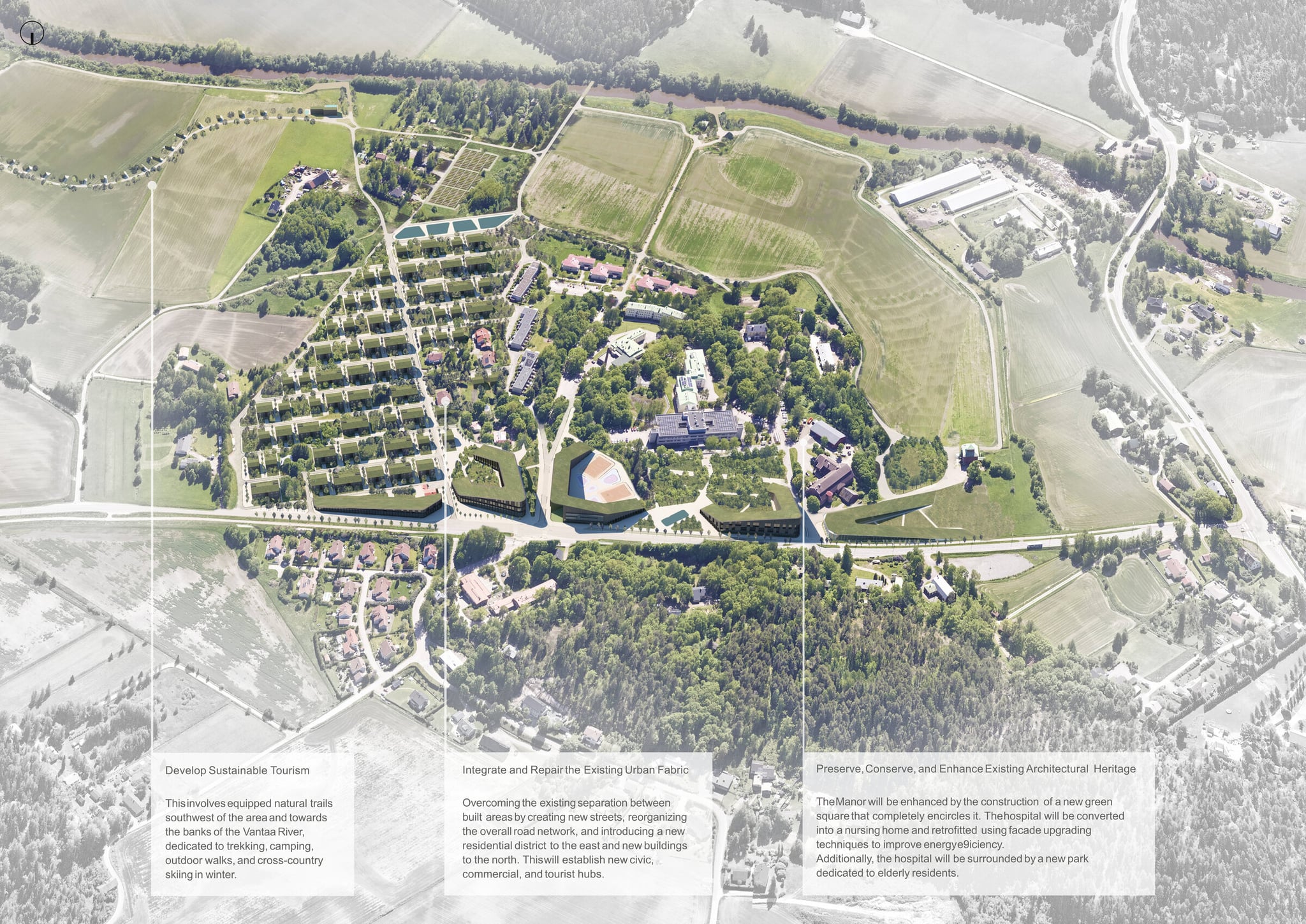
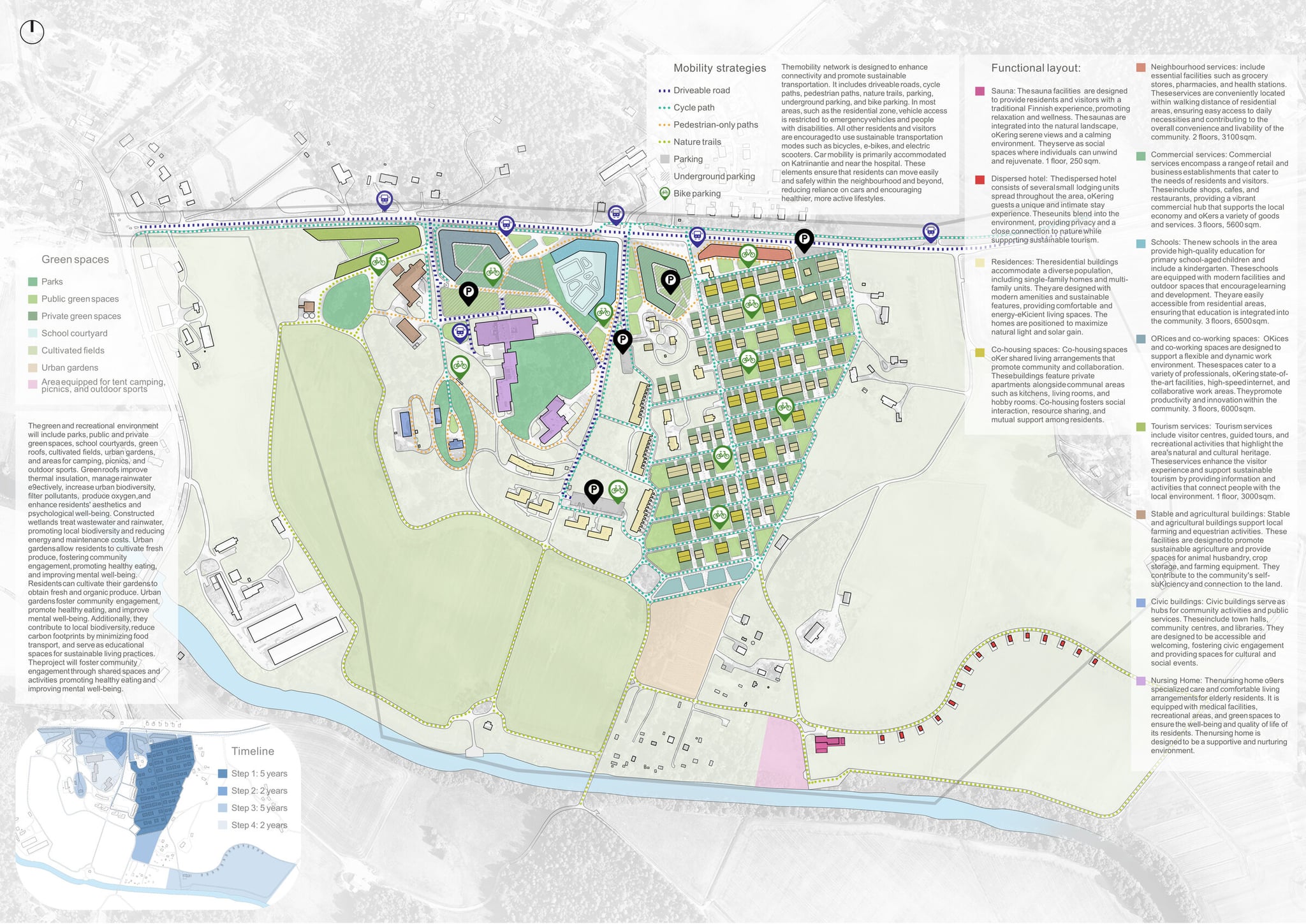
The masterplan is structured around three key areas. The first preserves and enhances the existing heritage: the historic manor house is set within a new green square, whilst the hospital is being converted into a care home, refurbished with a facade retrofit and surrounded by a park dedicated to the elderly. The second approach restores the urban fabric, which is currently fragmented: new roads and a reorganised road network connect a new residential district to the east and new buildings to the north, where civic, commercial and tourist hubs are concentrated. The third opens up the area to sustainable tourism, with well-equipped nature trails leading down to the River Vantaa for hiking, camping, walking and, in winter, cross-country skiing.
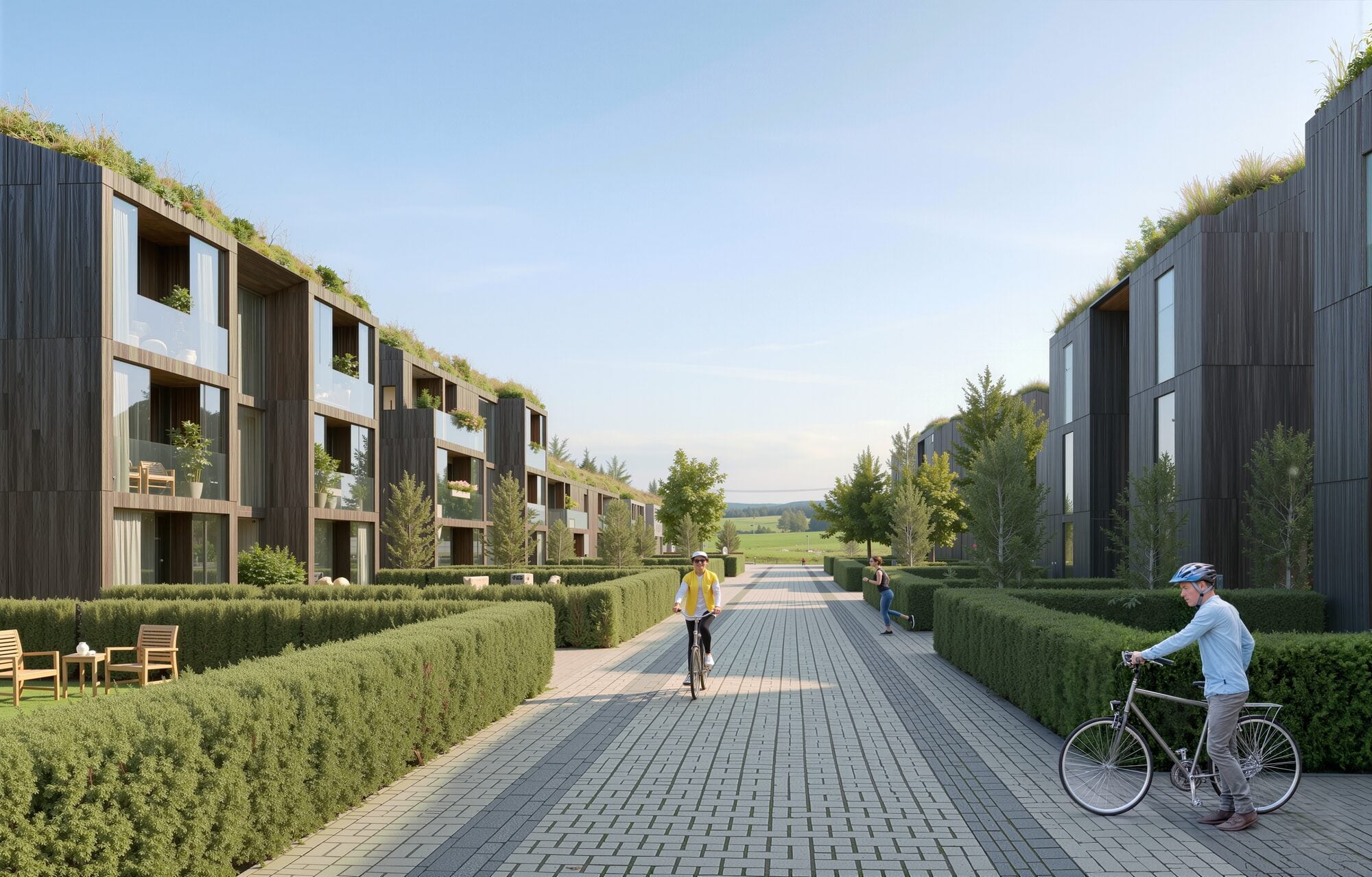
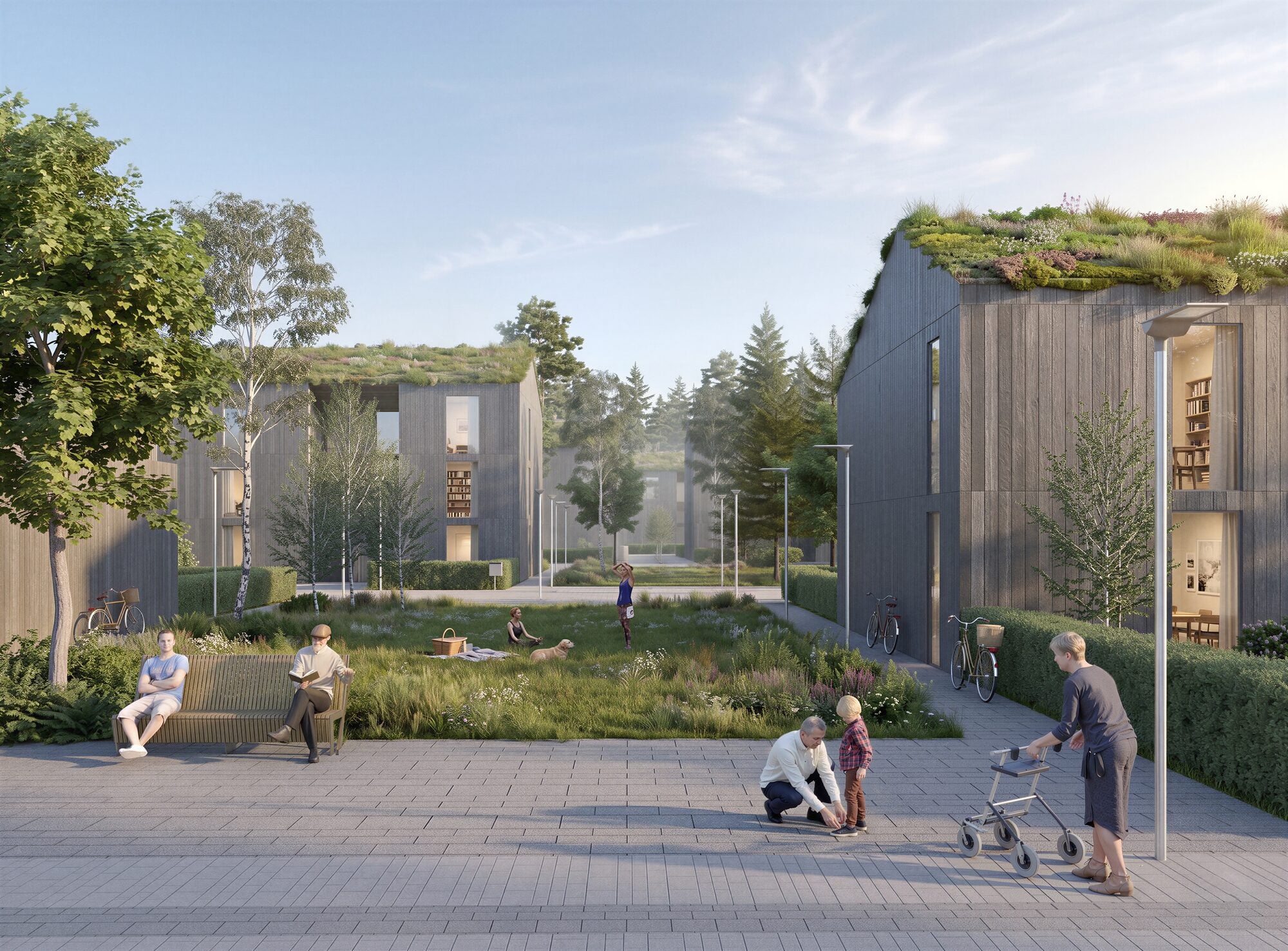
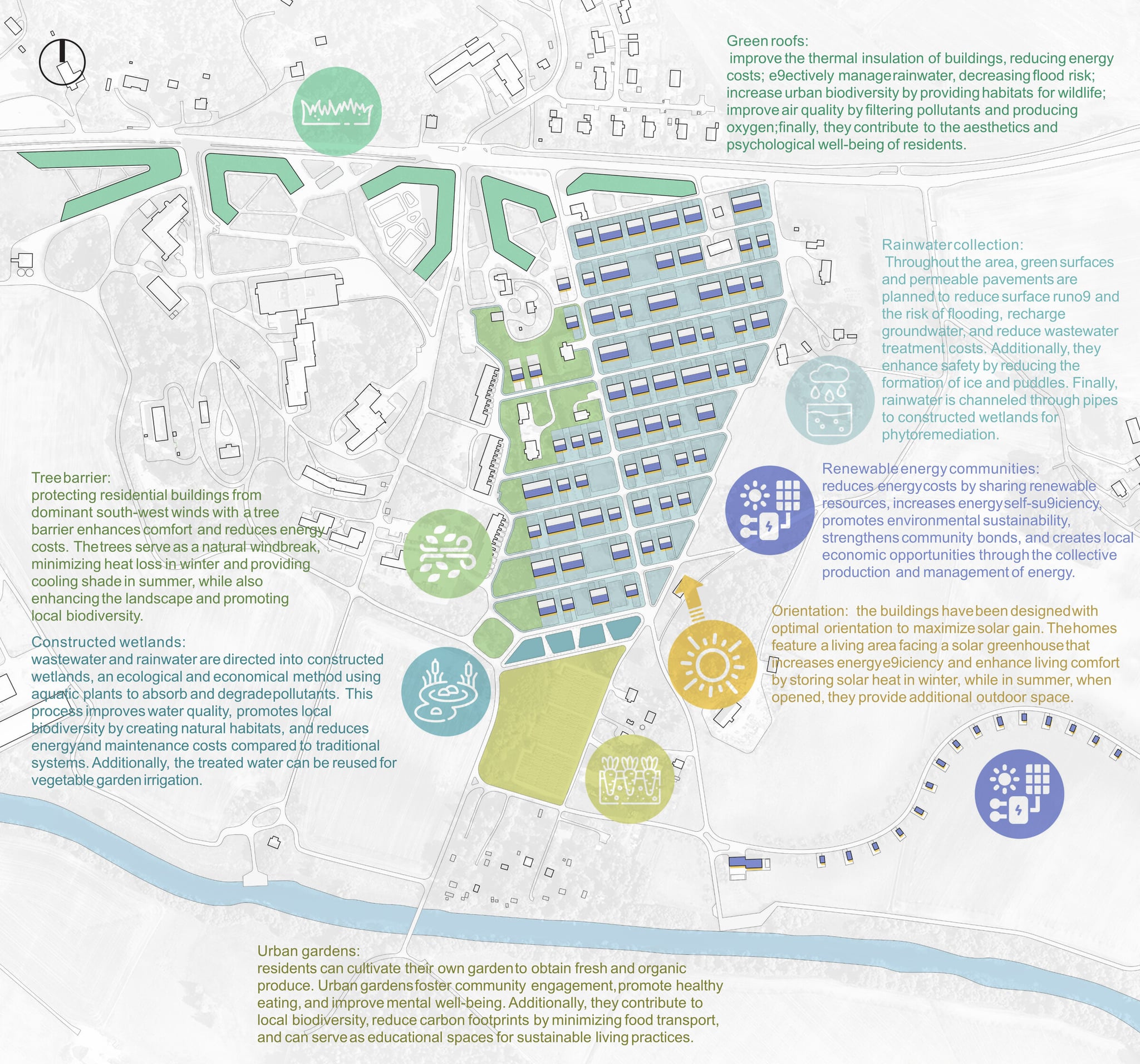
Sustainability becomes the guiding principle for the development as a whole. The project enhances biodiversity through native species and interconnected ecological corridors, and aims for carbon neutrality through the use of recycled and low-impact materials, passive technologies and renewable energy sources, managed by renewable energy communities that make the neighbourhood more self-sufficient. The homes are built from timber using prefabrication techniques based on digital designs; the green roofs provide insulation, retain water and support wildlife; a tree barrier protects the buildings from the prevailing south-westerly winds; wastewater and rainwater are treated in constructed wetlands and reused for irrigation. Each house has a sunspace, which stores heat in winter and, when opened in summer, becomes an outdoor space. Soft mobility is employed: within the residential neighborhood, cars are permitted only for emergencies and for people with disabilities, whilst vehicular traffic is confined to Katriinantie and the area around the hospital.
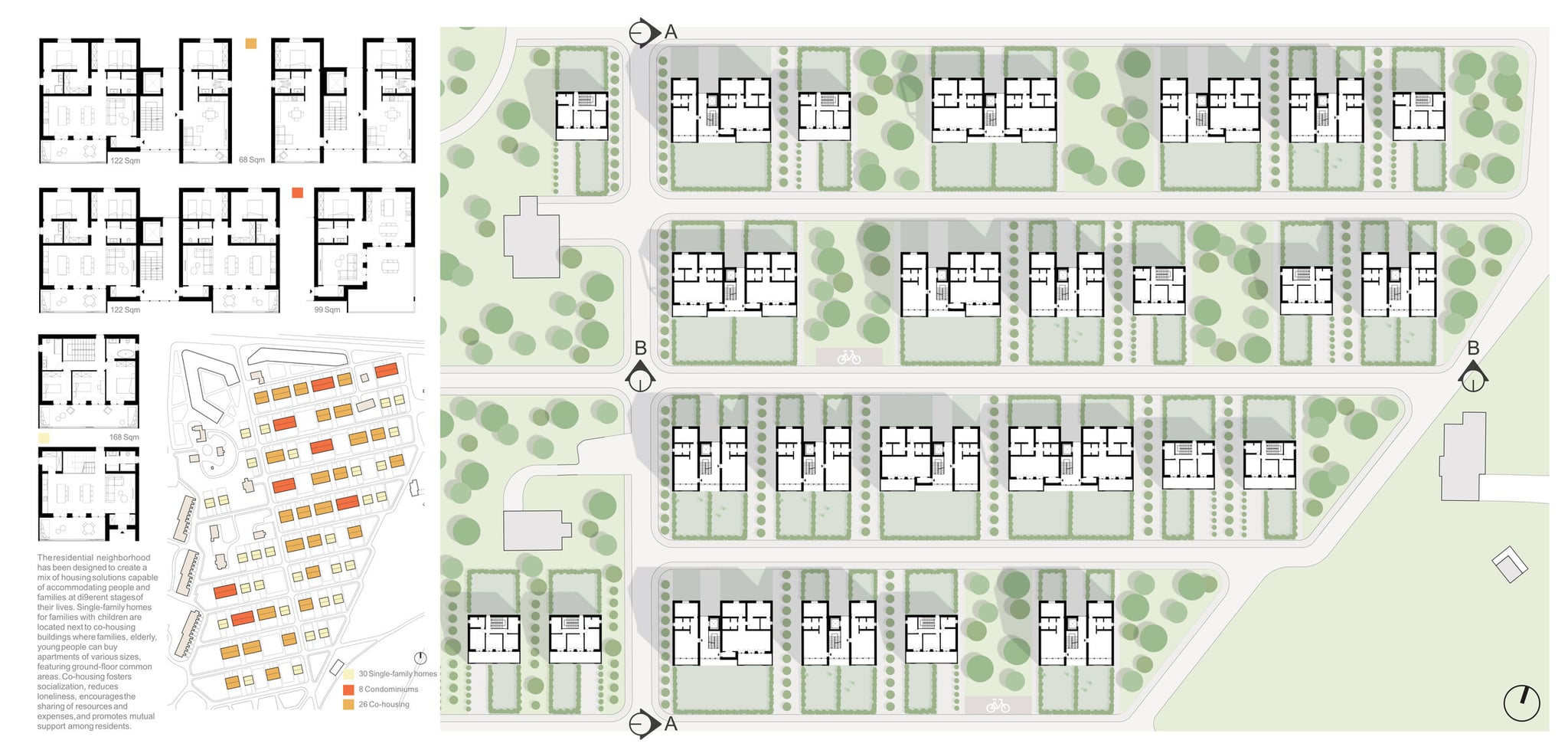
The neighbourhood is designed to cater for individuals and families at different stages of life. Detached houses for large families sit alongside co-housing blocks, where single people, young couples and older residents share shared spaces on the ground floor – from the kitchen to hobby rooms – thereby reducing loneliness and costs. The age-friendly design, inspired by the Communal Age-Friendly Villages initiative, ensures accessible routes all year round, lighting and rest areas, essential services within 500 metres, and spaces that encourage interaction between generations. The project is a proposal developed for an international competition.
Renders & Photos
Technical specifications
- Year
- 2024
- Typology
- Urban masterplan — regeneration and sustainable urban development of an area
- Status
- Competition concept (international proposal)
- Designers
- Arch. Micaela Colella (capogruppo), Arch. Maurizio Barberio (Barberio Colella Architetti)
- Process
- international competition
- Materials
- timber, natural and recyclable materials, green roofs, permeable paving
- BCA vertical
- Sustainable Design
Technical drawings
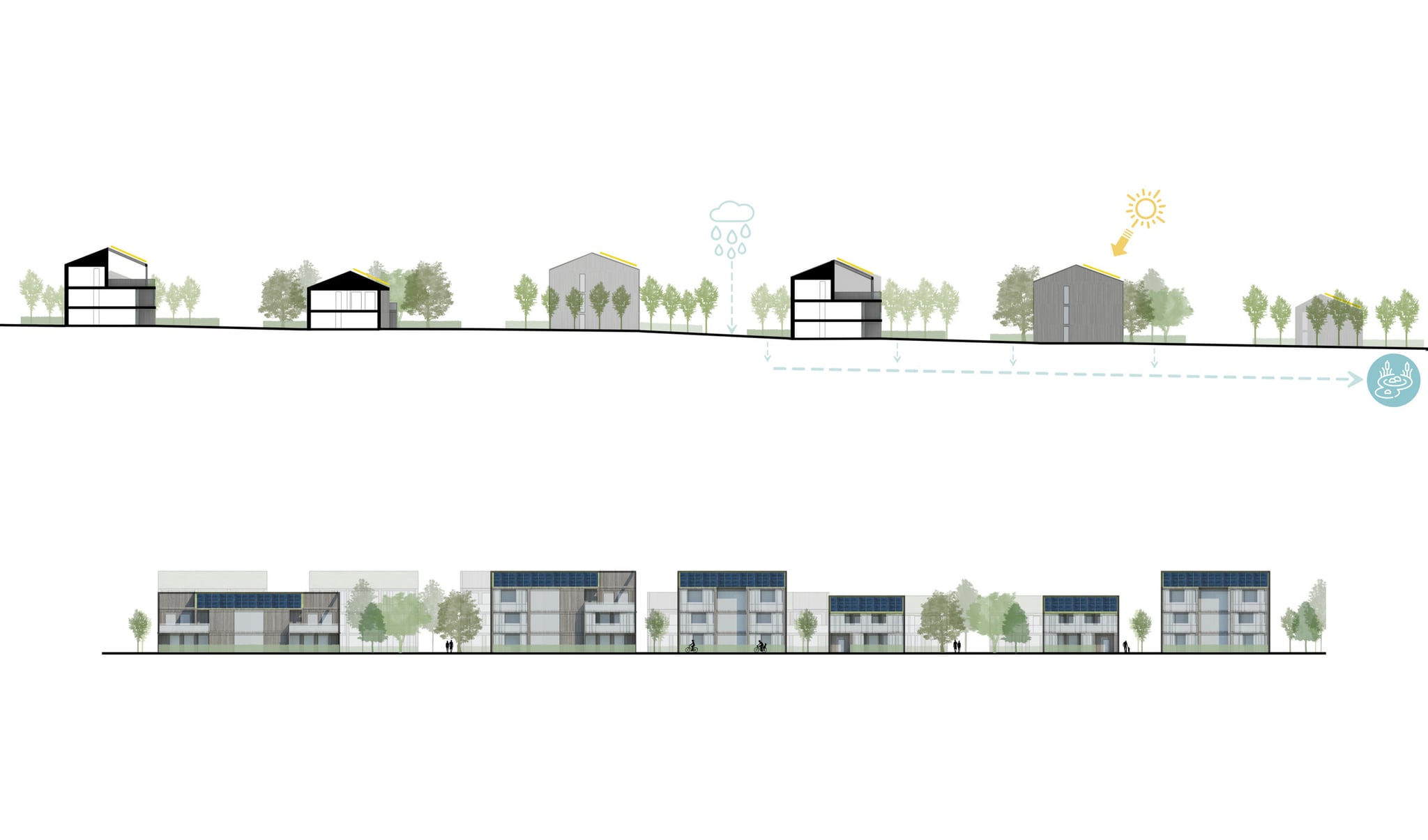
How can a fragmented area be revitalised and transformed into a sustainable neighbourhood, rather than being consumed by yet another urban expansion?
Anyone promoting the regeneration of a marginalised area is faced with a difficult choice. On the one hand, there is conventional expansion, which fills in the gaps with housing developments and roads for cars, erases the memory of places and passes on the environmental costs to future generations. On the other, there is pure conservation, which freezes the status quo and fails to provide solutions for those seeking homes, services and work. A sustainable masterplan seeks a third way: to reconnect what has been separated, to preserve what is of value, and to make energy, water, biodiversity and mobility the very fabric of the neighbourhood, rather than a mere finishing touch. This is where the urban scale meets the Firm’s design craft.
Frequently Asked Questions
Are you thinking about regeneration of an area or creation of a new neighbourhood?
If a local authority, organisation or operator needs to redevelop an area, revitalise an urban fringe or design a sustainable neighbourhood, we can discuss it. An initial video call is all it takes for us to assess the objectives, scale and feasibility together.
Let’s talk about your projectWe’ll get back to you within 48 hours. No obligation.
Related projects
Sustainable Design
POLYMNIA FUTURA
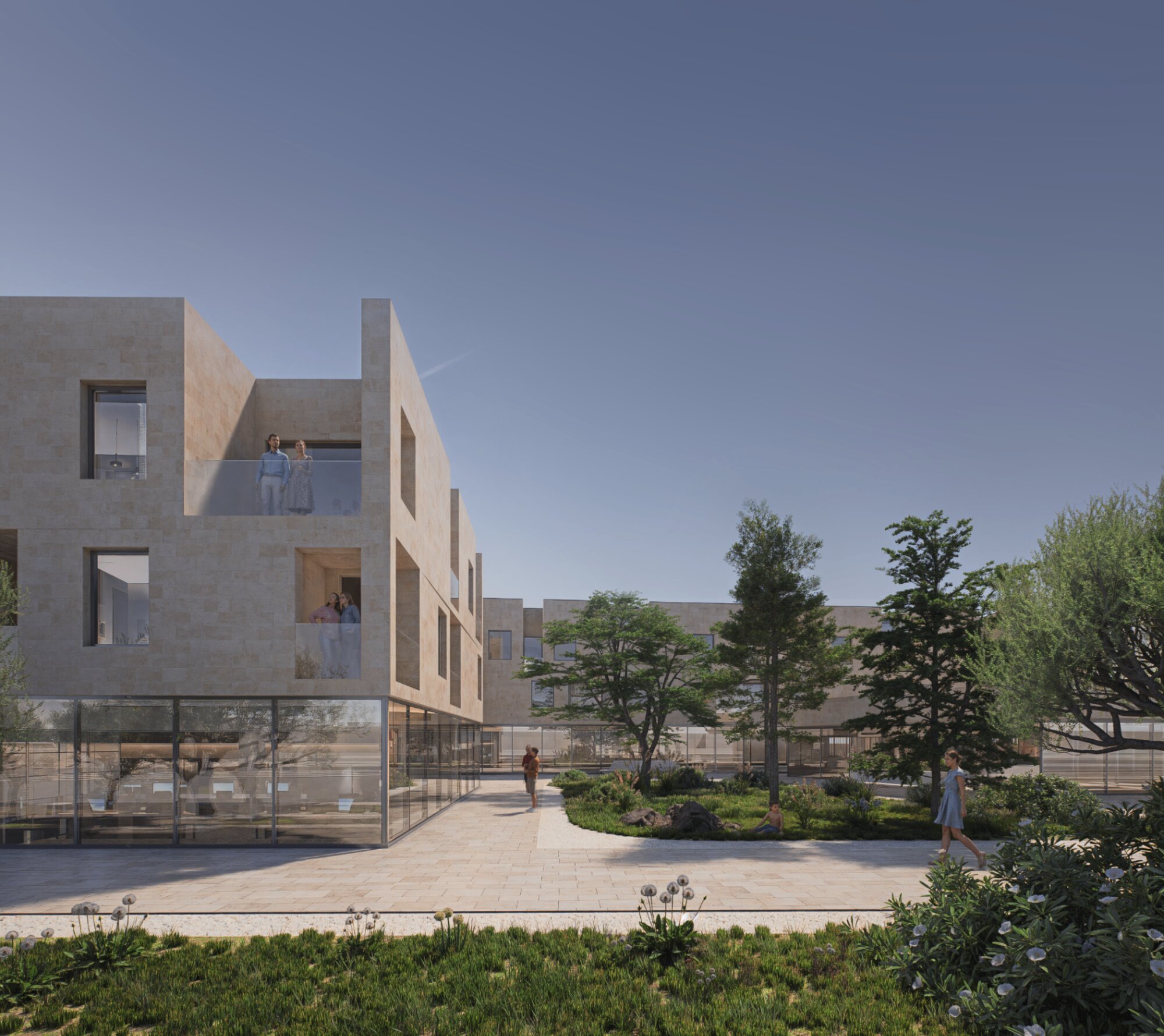
An urban regeneration proposal for Polignano a Mare that combines sustainable mobility, public spaces and new residential neighbourhoods: Special Mention at the Europan 18 European competition.
Sustainable Design
ROGO/RE-DO!
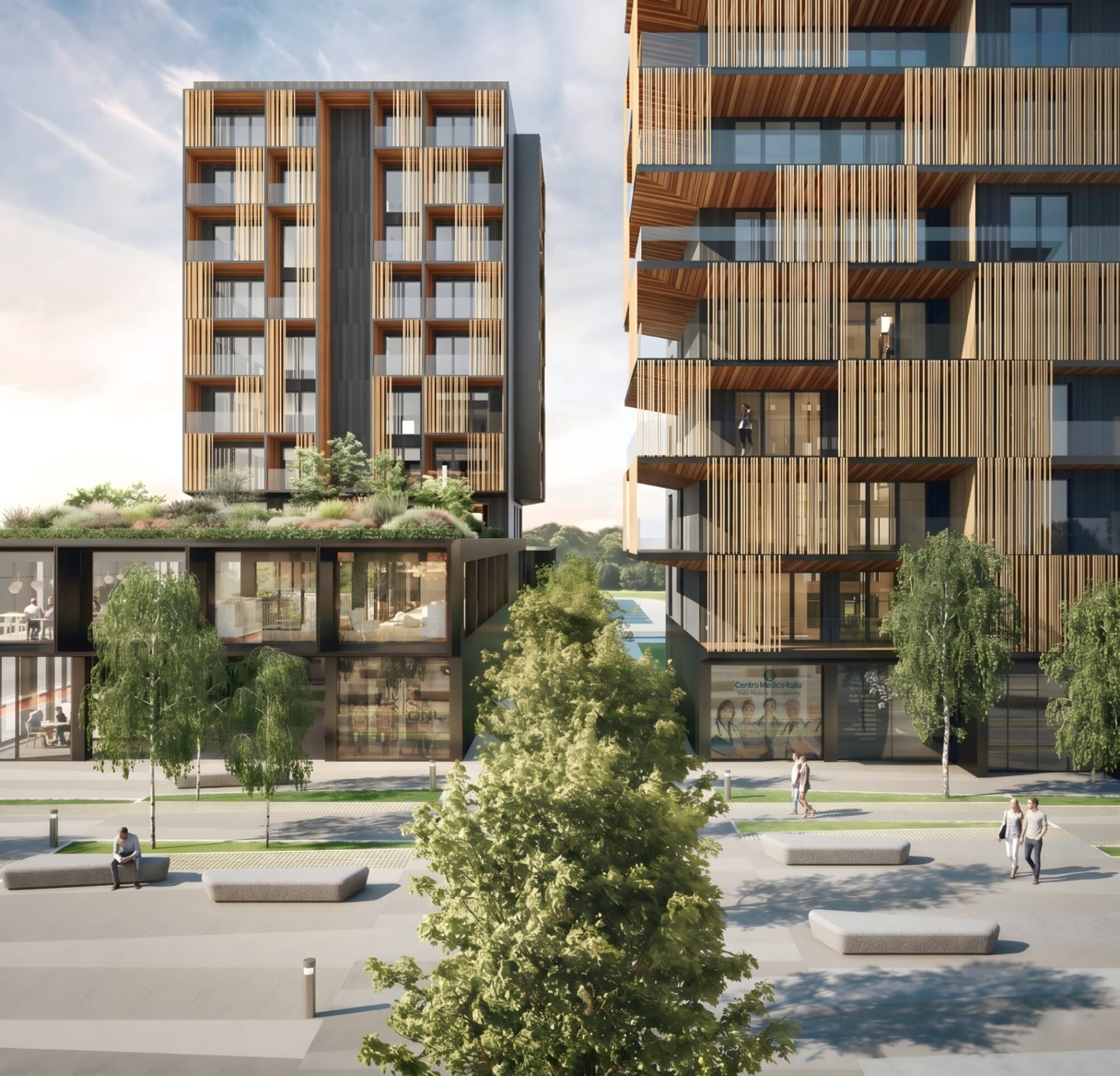
A masterplan to transform a derelict site in south Milan into a people-friendly neighbourhood, where soft mobility is prevalent, green spaces permeate every corner, and timber-built residential towers define a new model of urban living.
Sustainable Design
KURIKKA-TALO
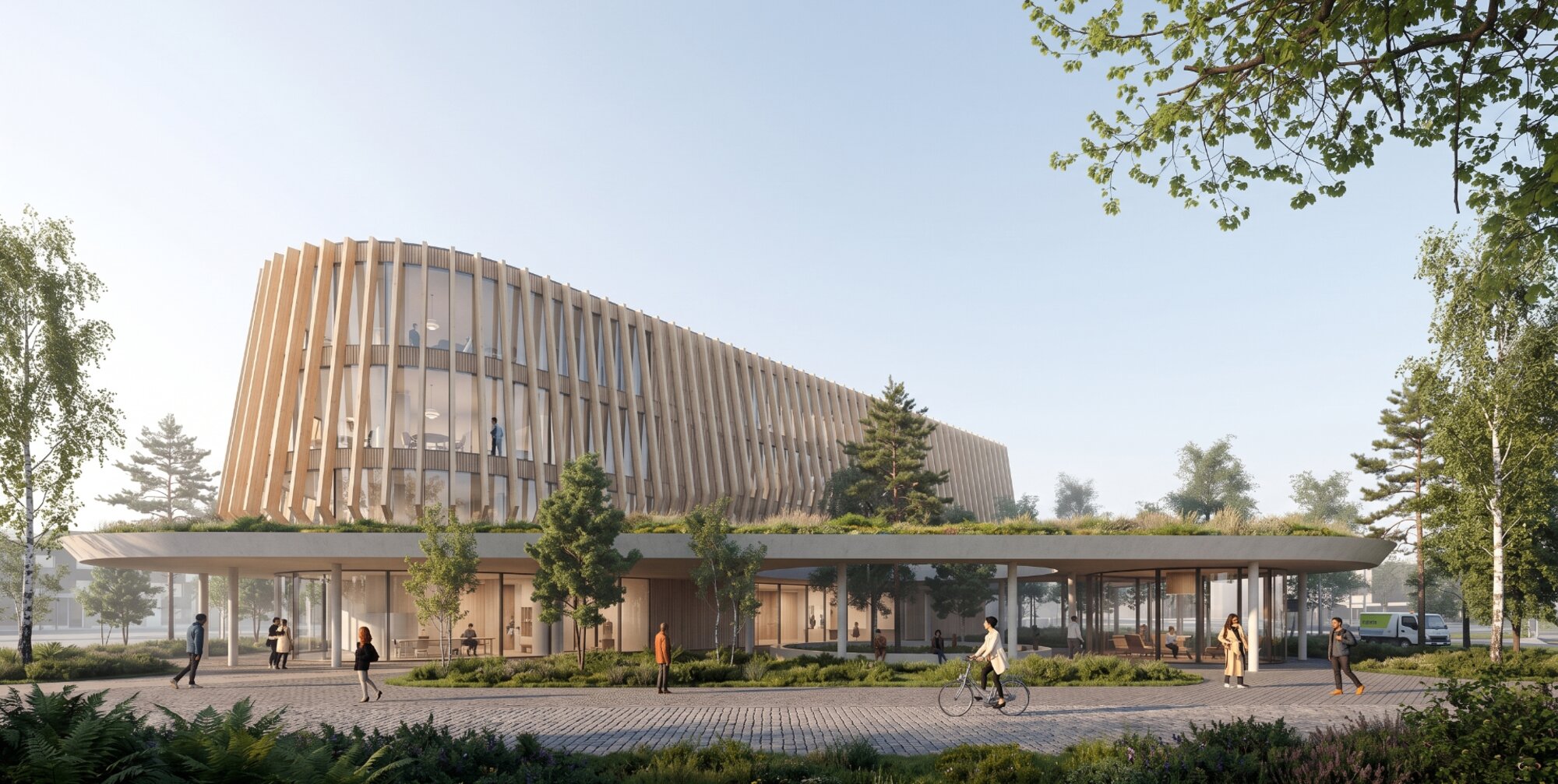
A triangular building with a floor-to-ceiling glazed courtyard and facades clad in larch panels, a proposal for the public competition for the new Kurikka Town Hall.