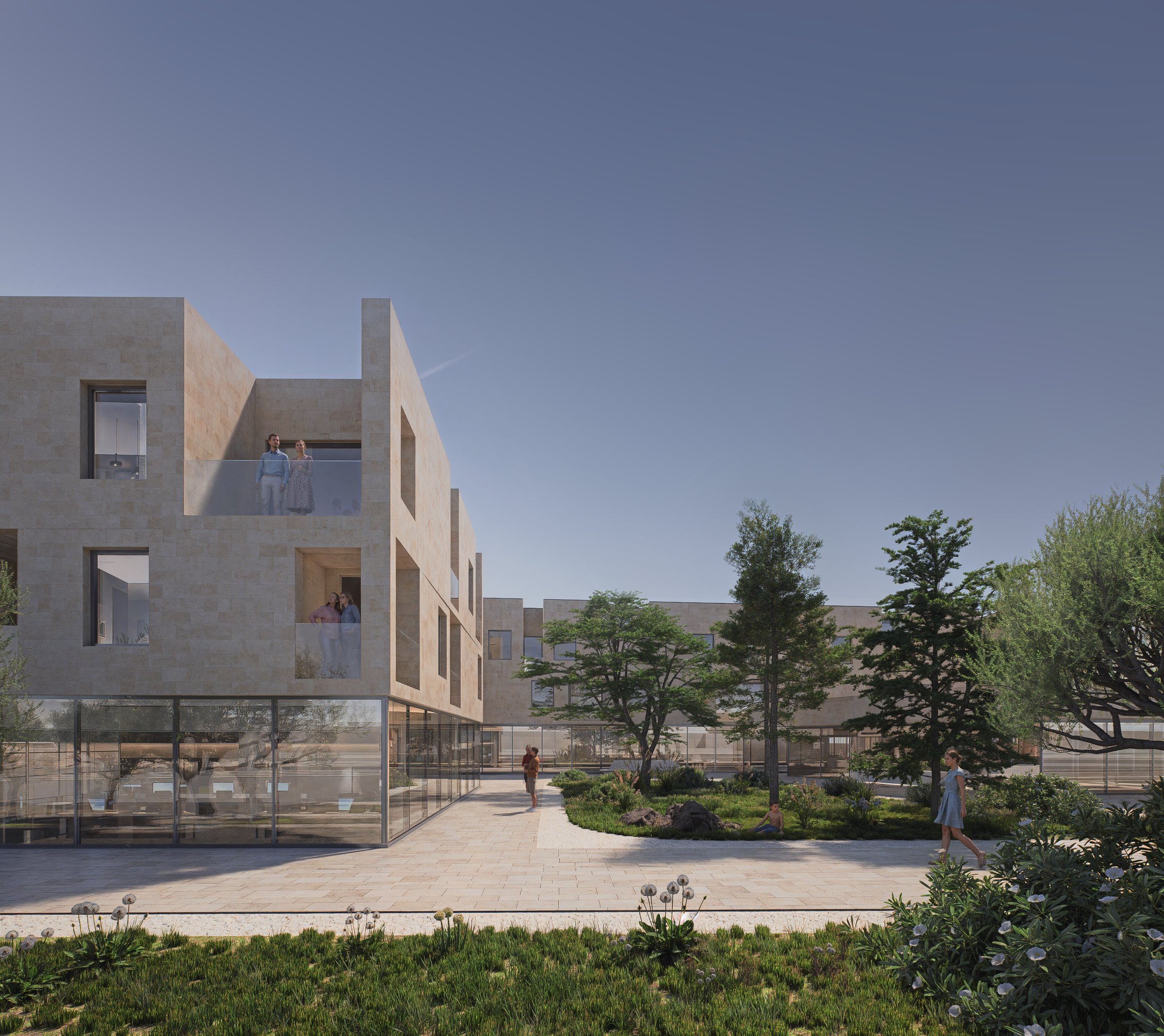
Polymnia Futura – Sustainable urban regeneration in Polignano a Mare
An urban regeneration proposal for Polignano a Mare that combines sustainable mobility, public spaces and new residential neighbourhoods: Special Mention at the Europan 18 European competition.
2025 · Polignano a Mare, Apulia · Urban regeneration · Sustainable design · Public & Commercial Architecture
A city regenerating from its connective tissue
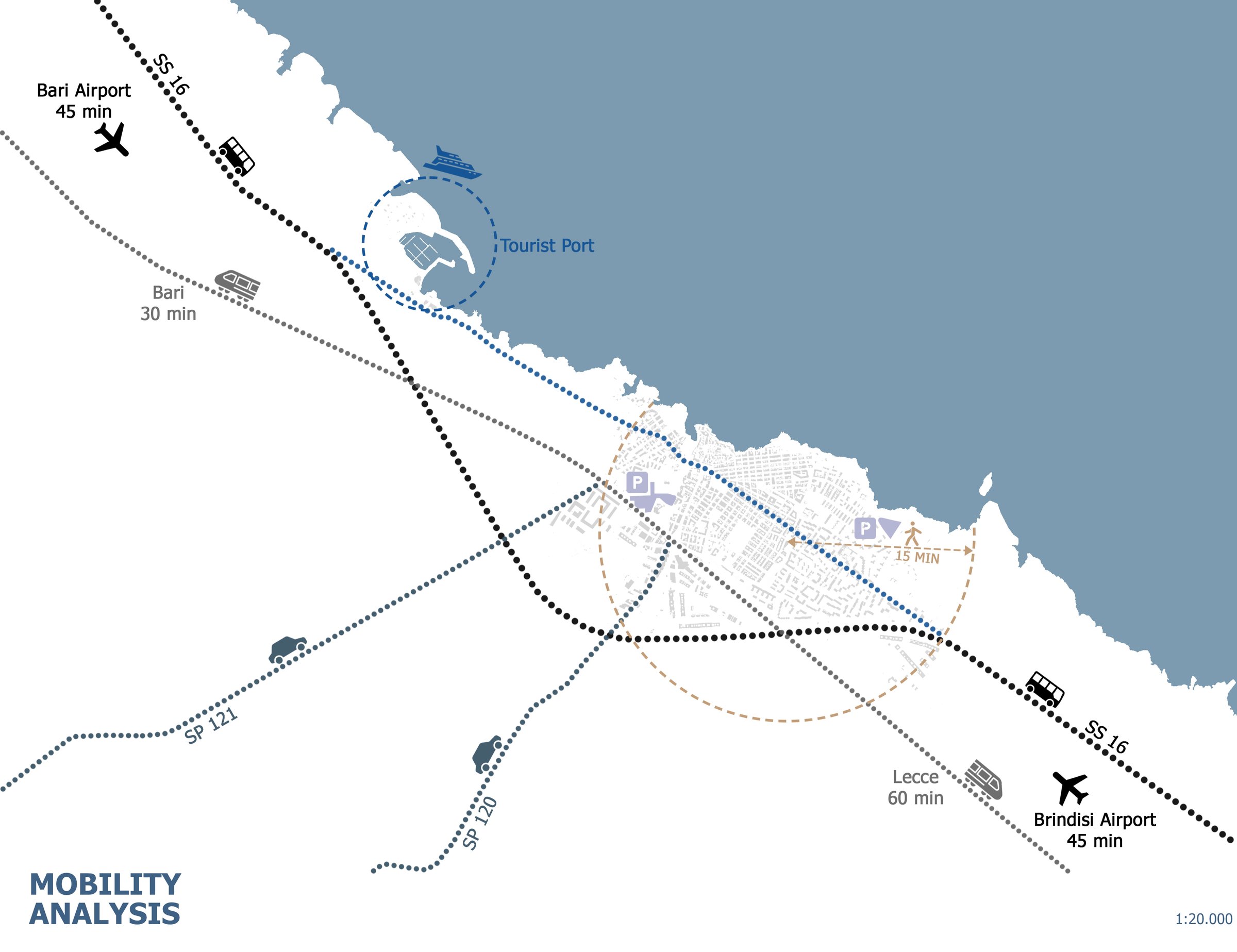
Polignano a Mare is one of the most iconic towns on the Apulian Adriatic coast: a spectacular historic centre overlooking the cliffs, a steadily growing tourism economy, and increasing pressure on urban infrastructure. Like many medium-sized towns in Southern Italy, Polignano faces a structural contradiction: the historic centre attracts visitors and investment, but the neighbourhoods beyond the railway line (the areas along Via Lepore, the Distretto Marconi, and the areas around the station) remain cut off from urban life, with fragmented public spaces, car-dependent mobility, and a built environment that fails to engage with the surrounding landscape.
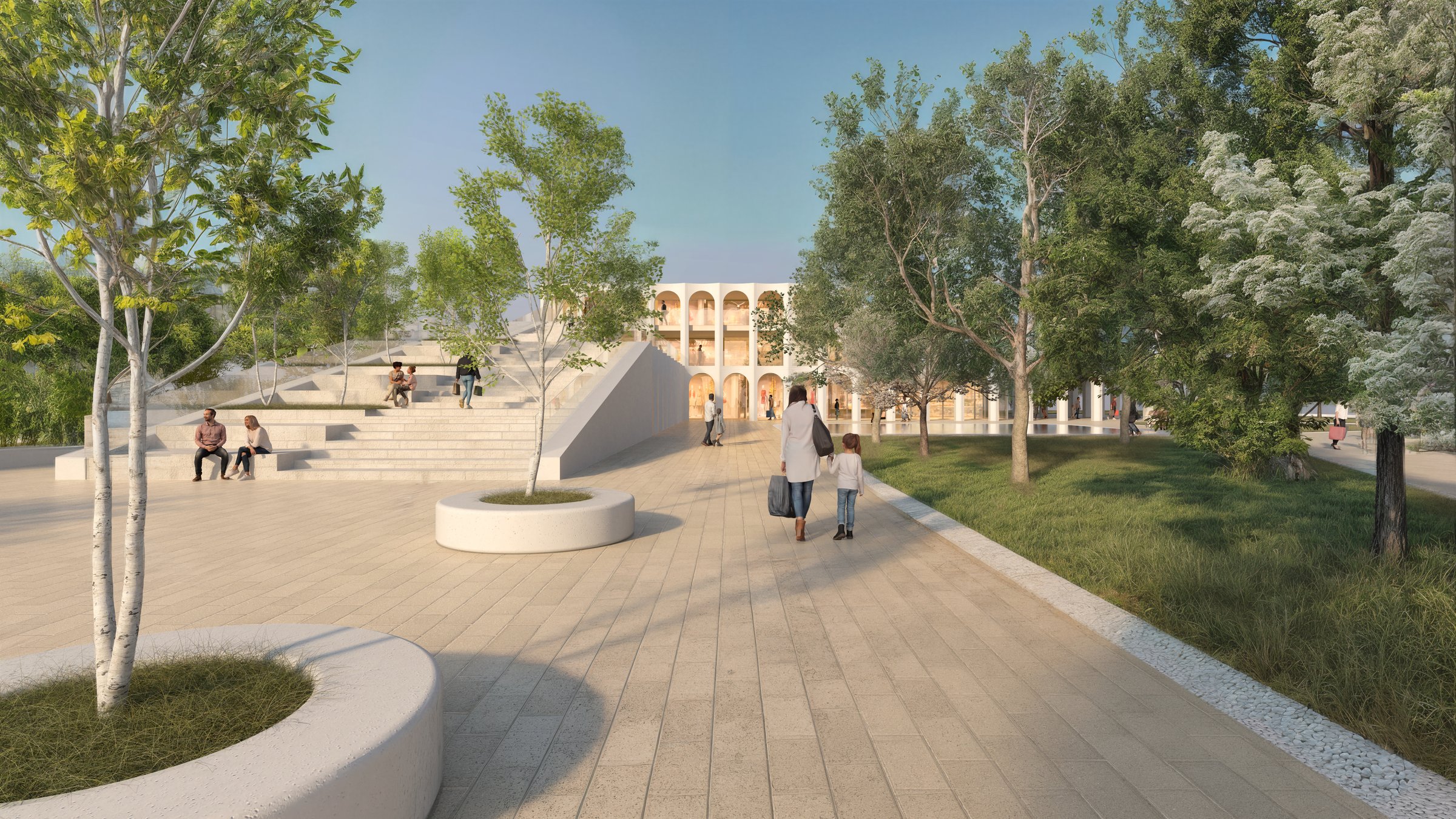
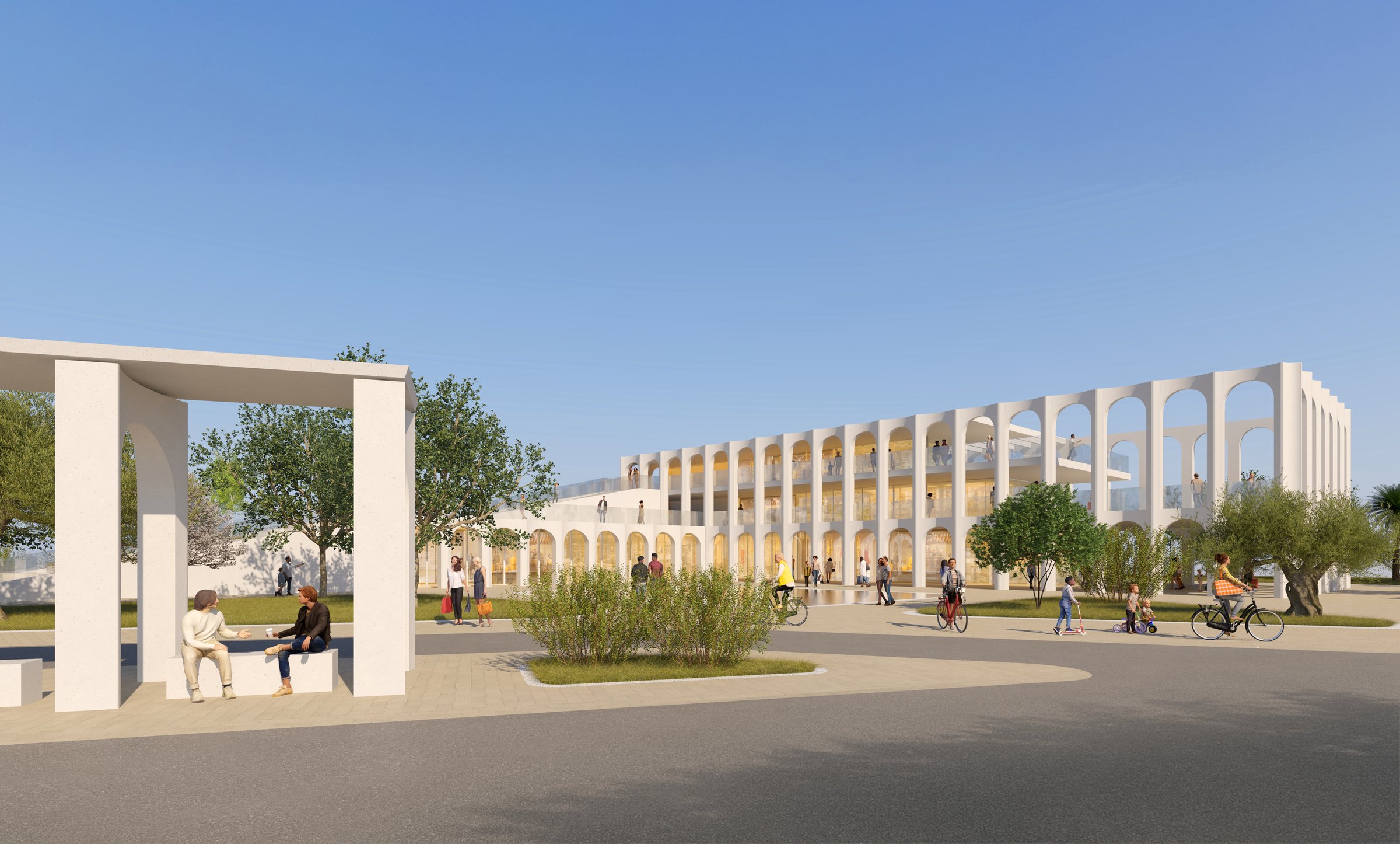
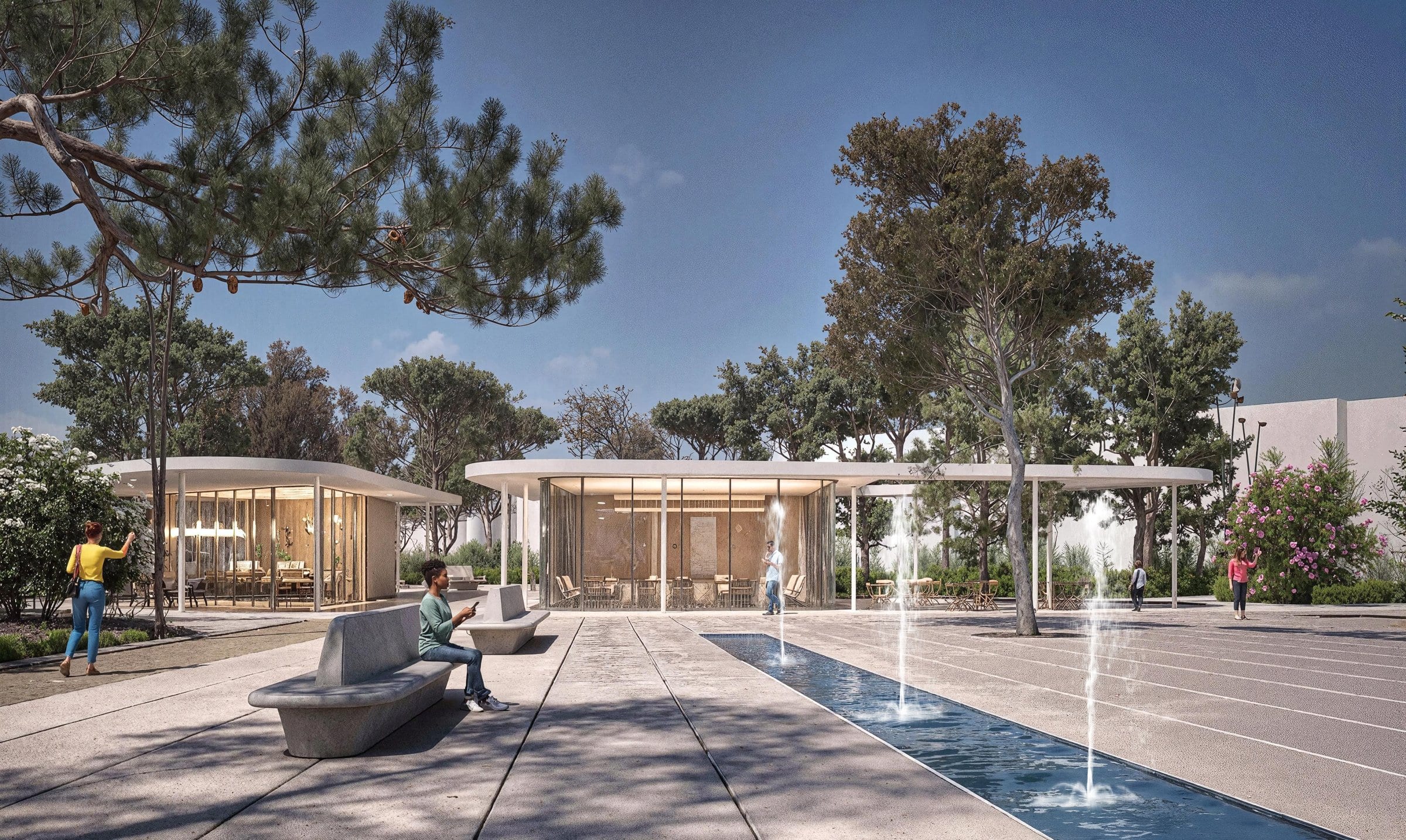
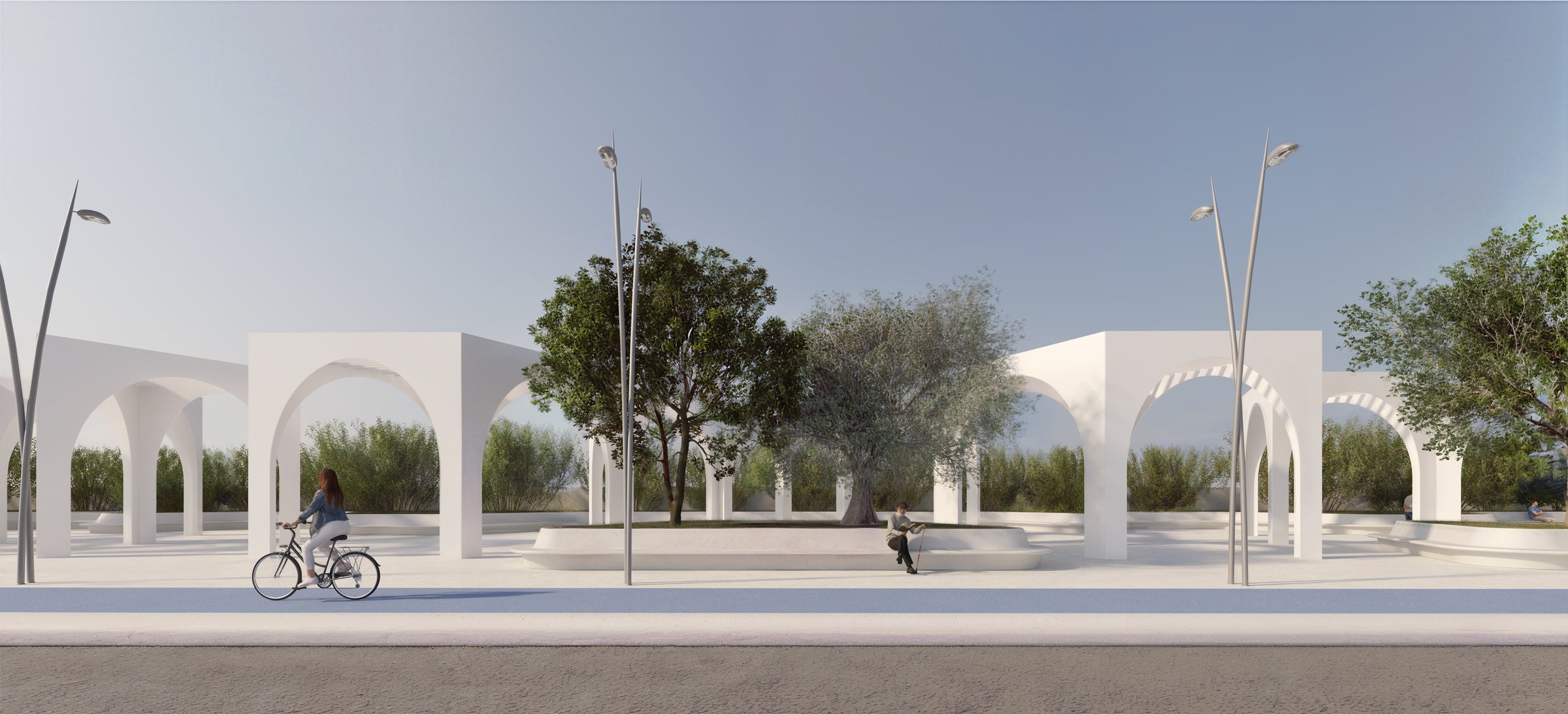
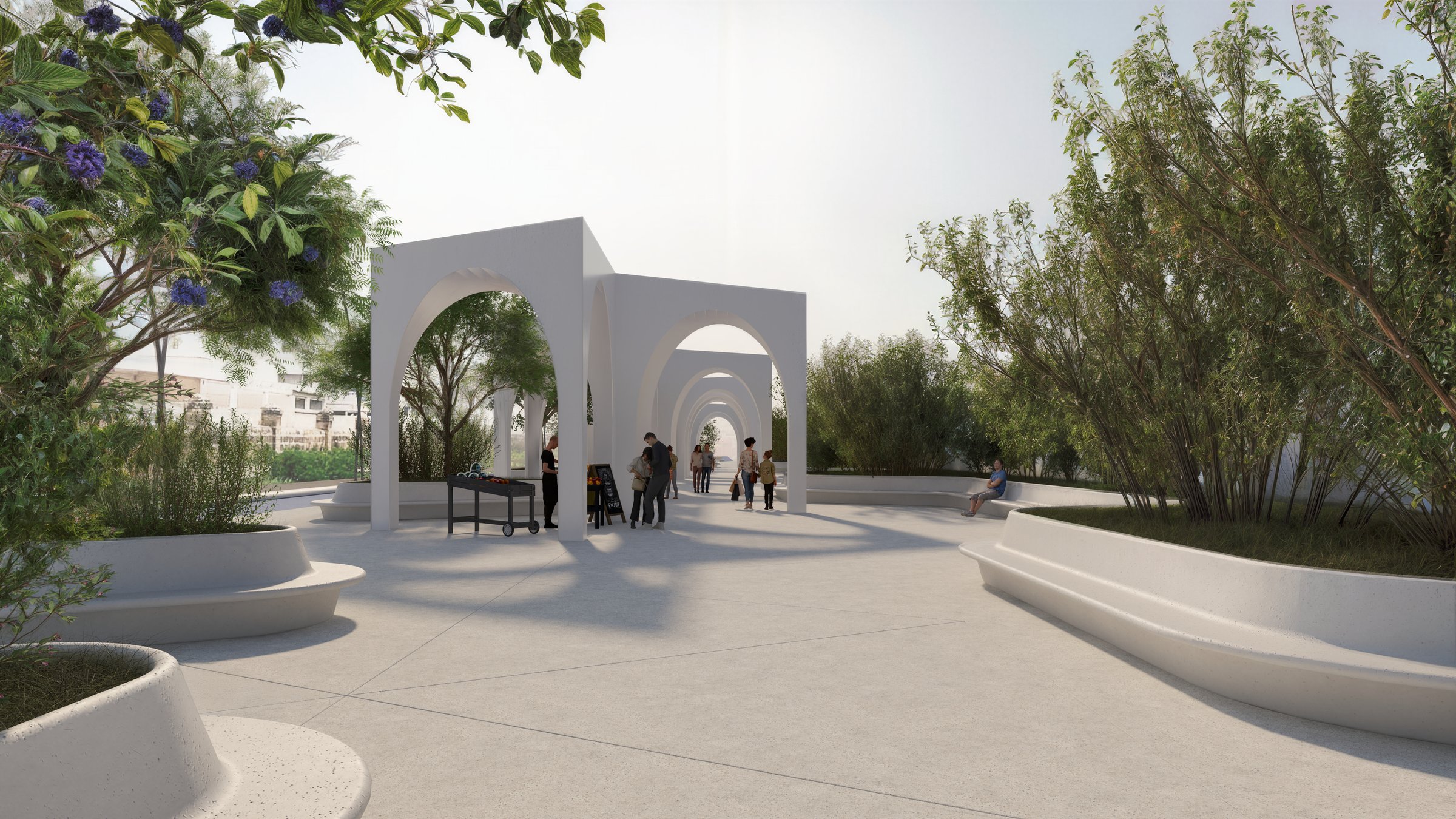
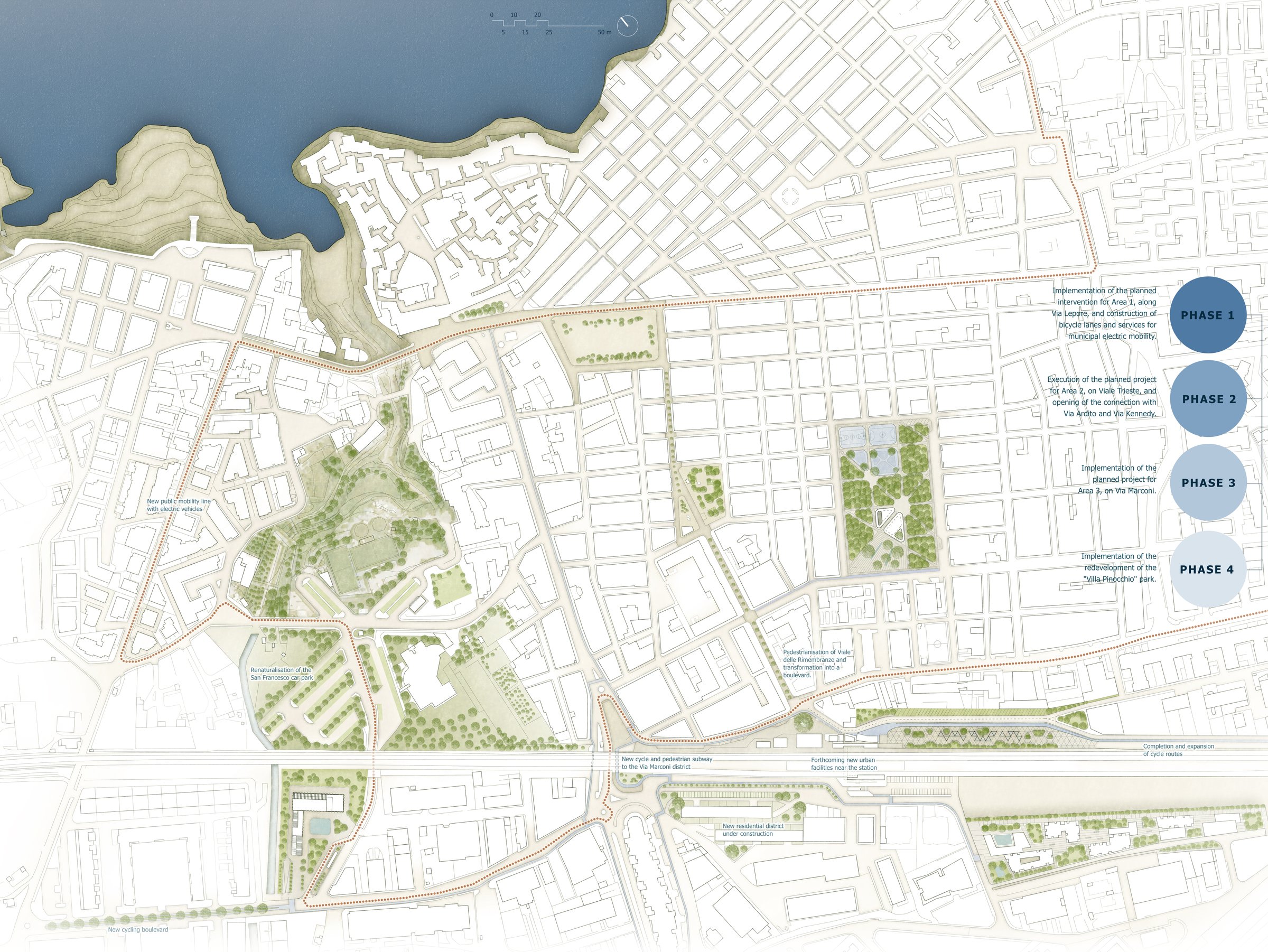
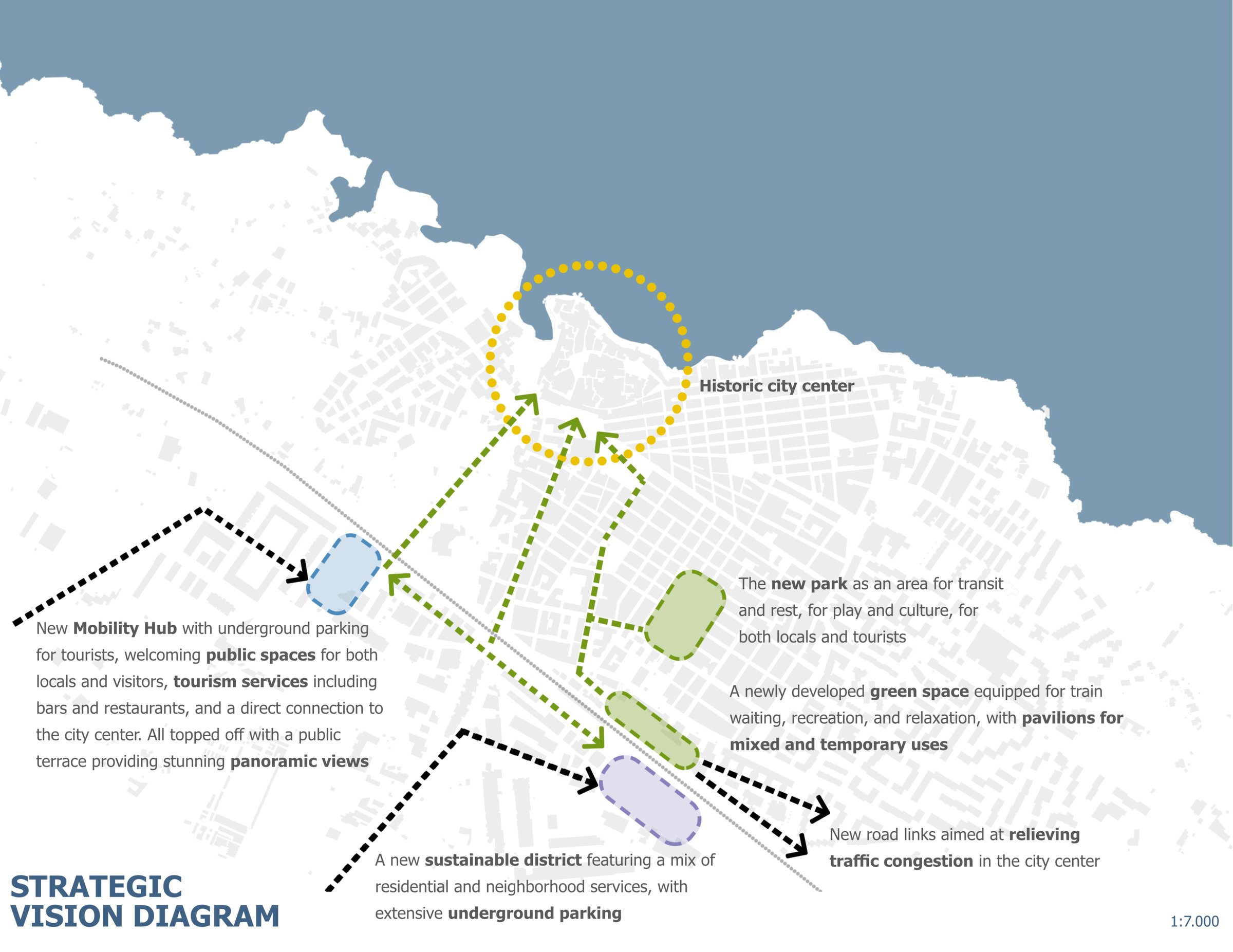
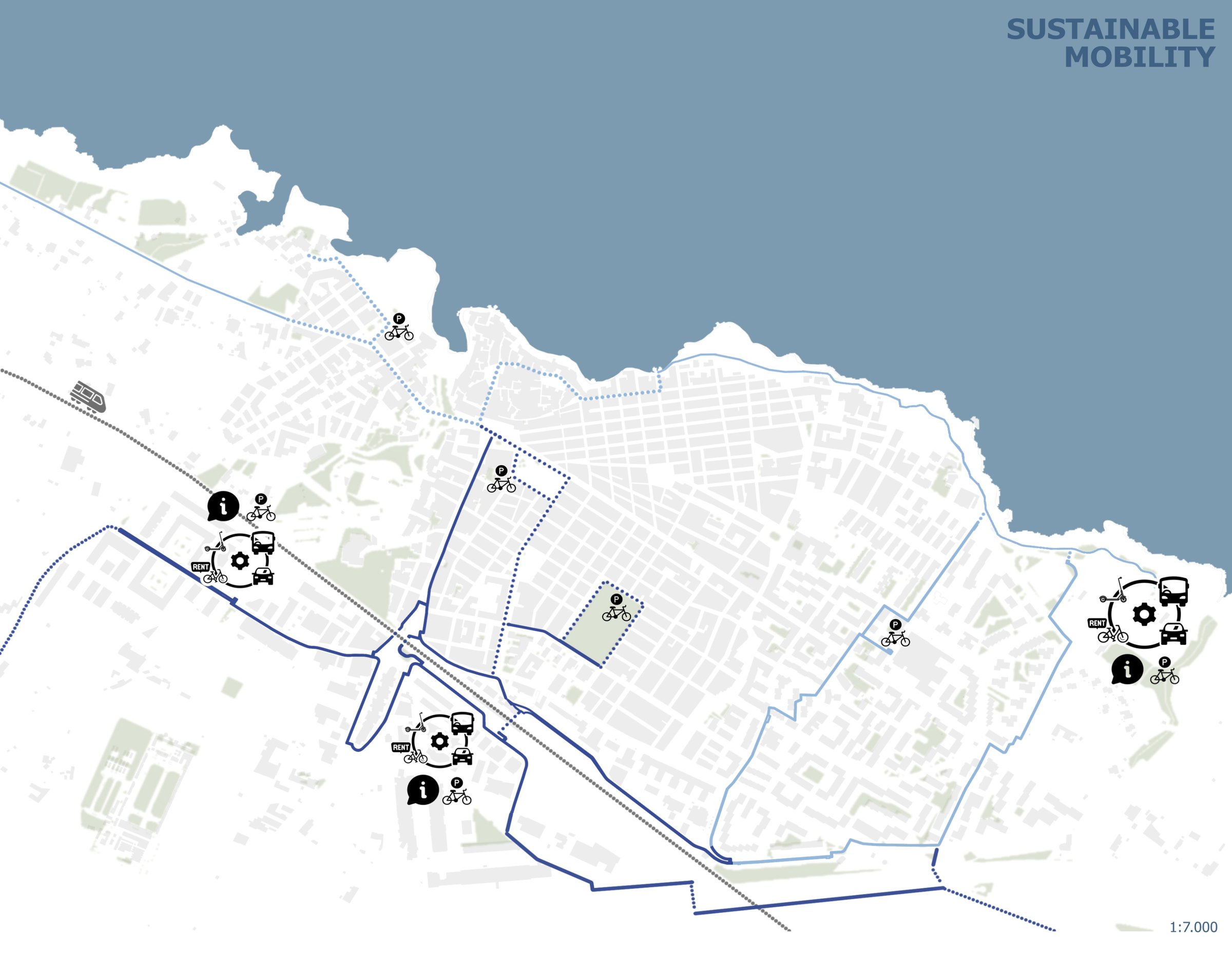
Polymnia Futura, Barberio Colella Architetti’s proposal for the Europan 18 competition, addresses this divide with a systemic vision. The project does not focus on a single building or a single plot, but on a system of relationships: mobility, public green spaces, residential densification and connections between neighbourhoods. The strategy revolves around the concept of ‘mobility hubs’, interchange nodes combining public transport, soft mobility, proximity services and social spaces, distributed along an axis linking the railway station to the historic centre and the new Villa Pinocchio urban park.
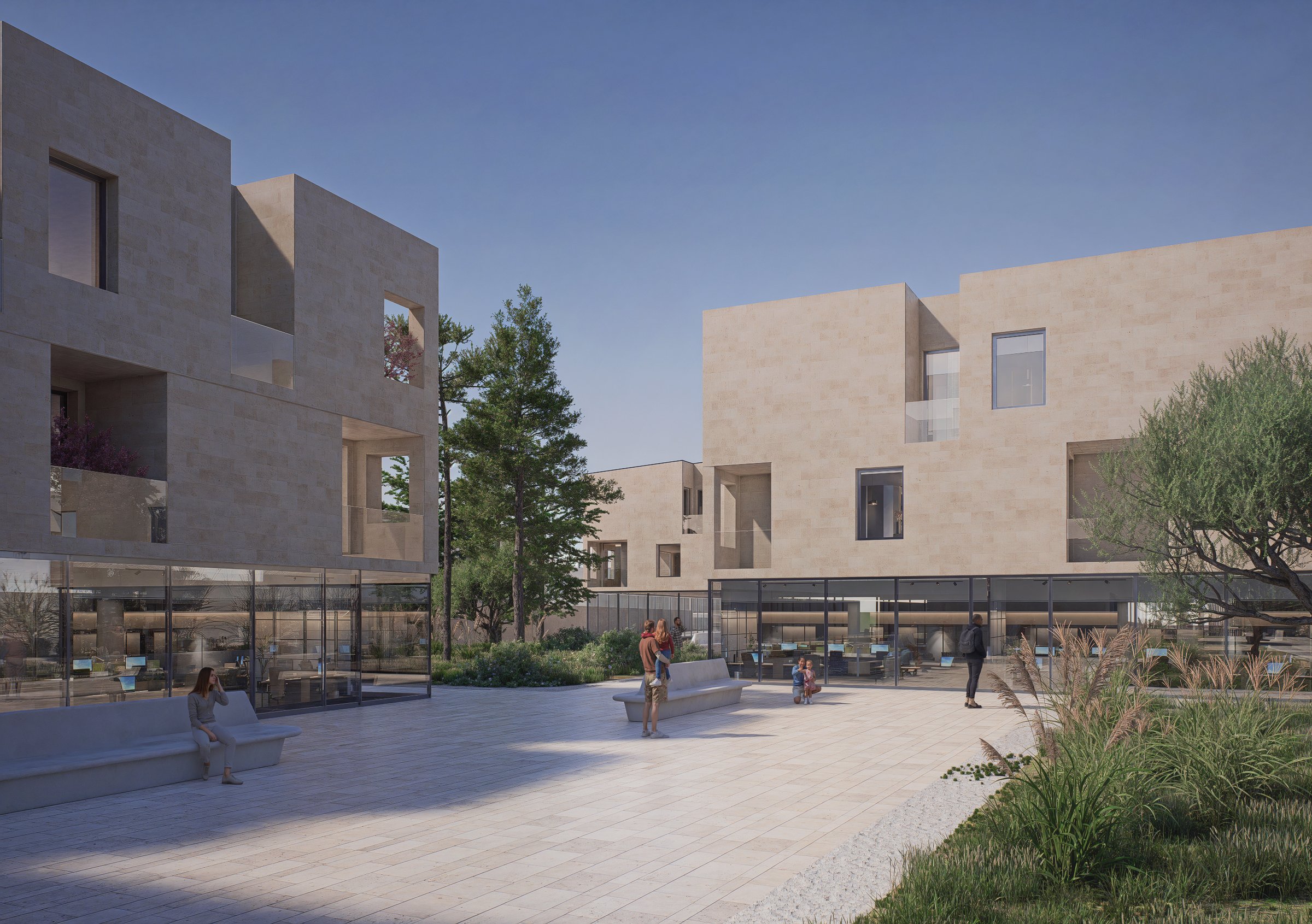
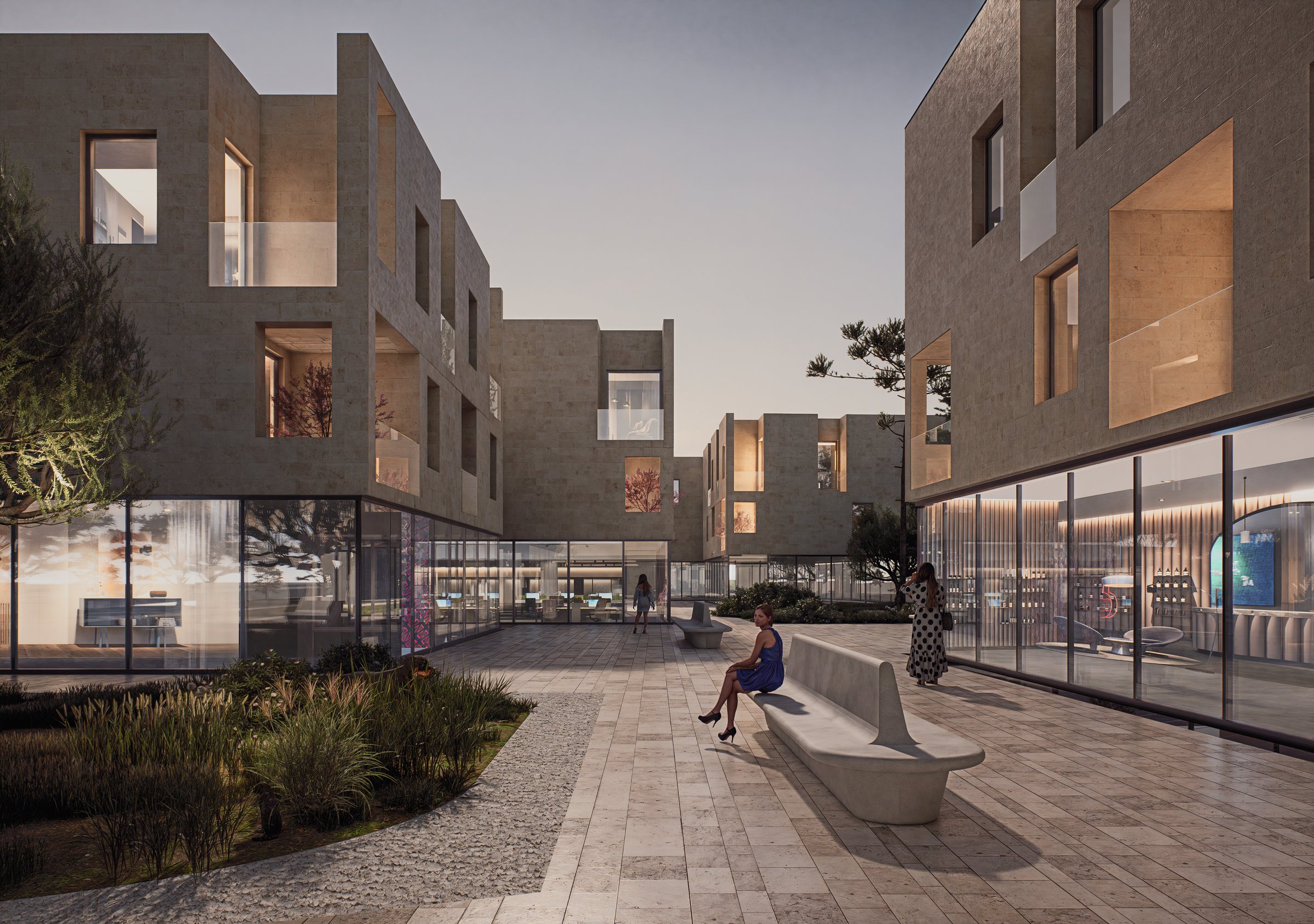
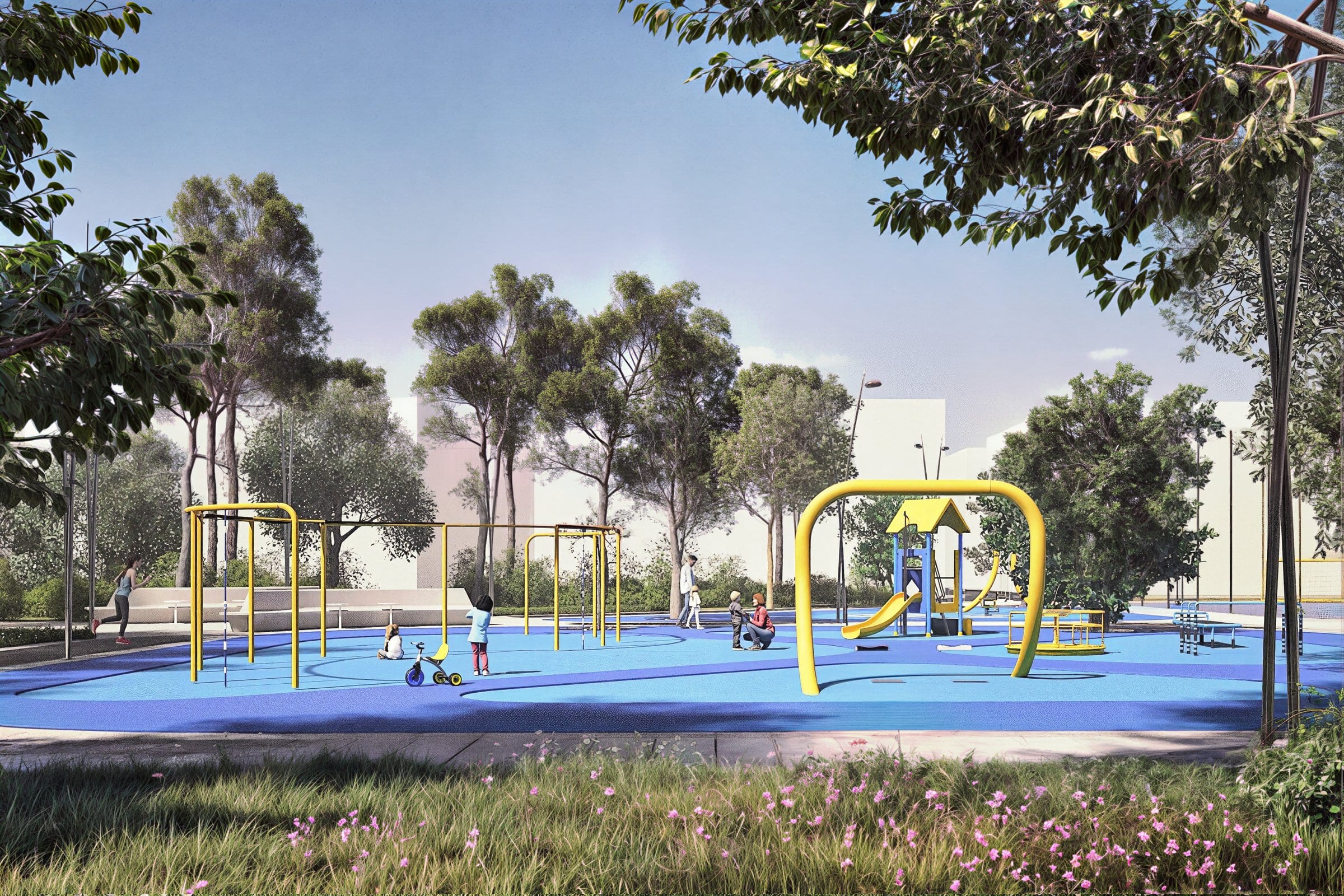
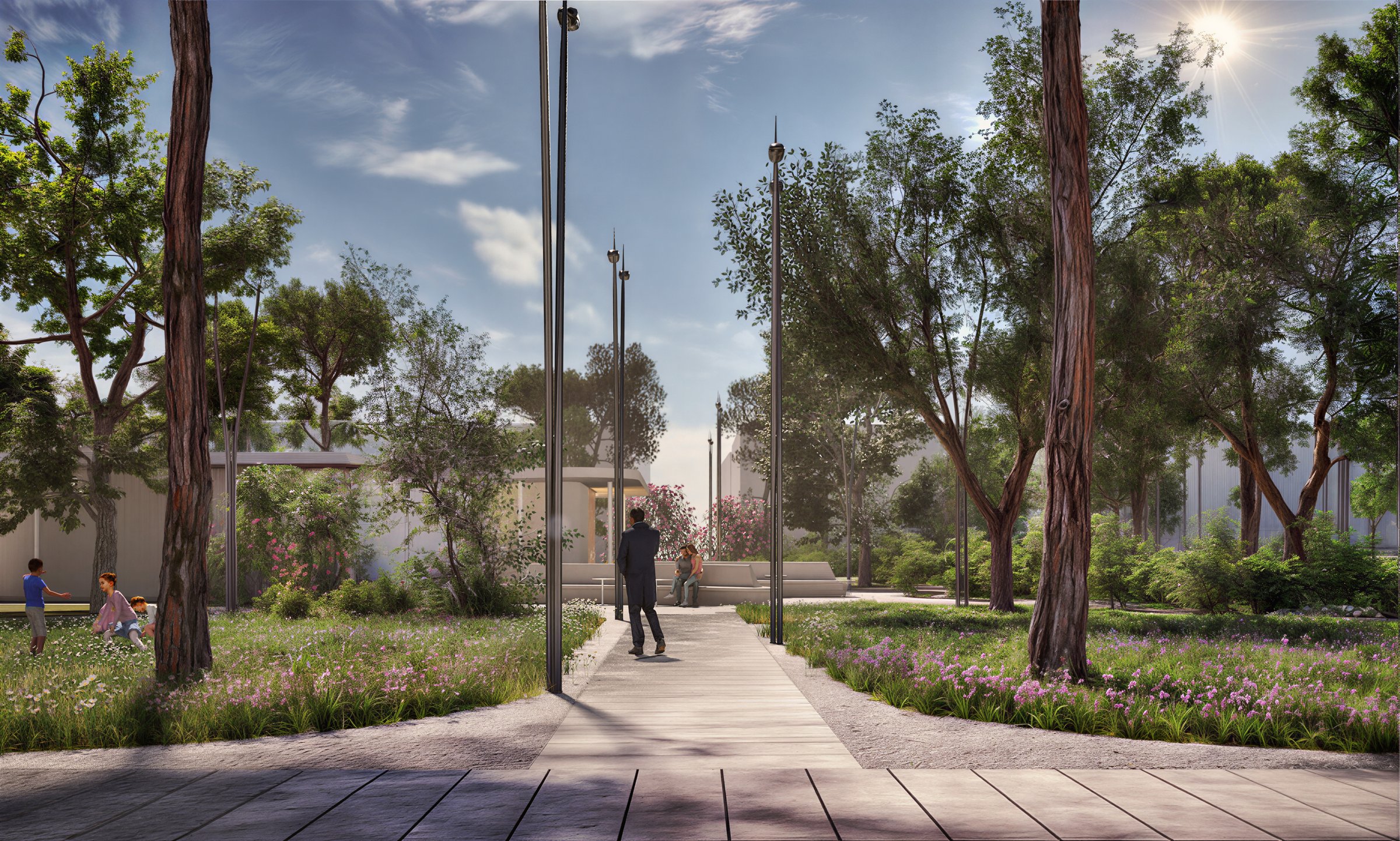
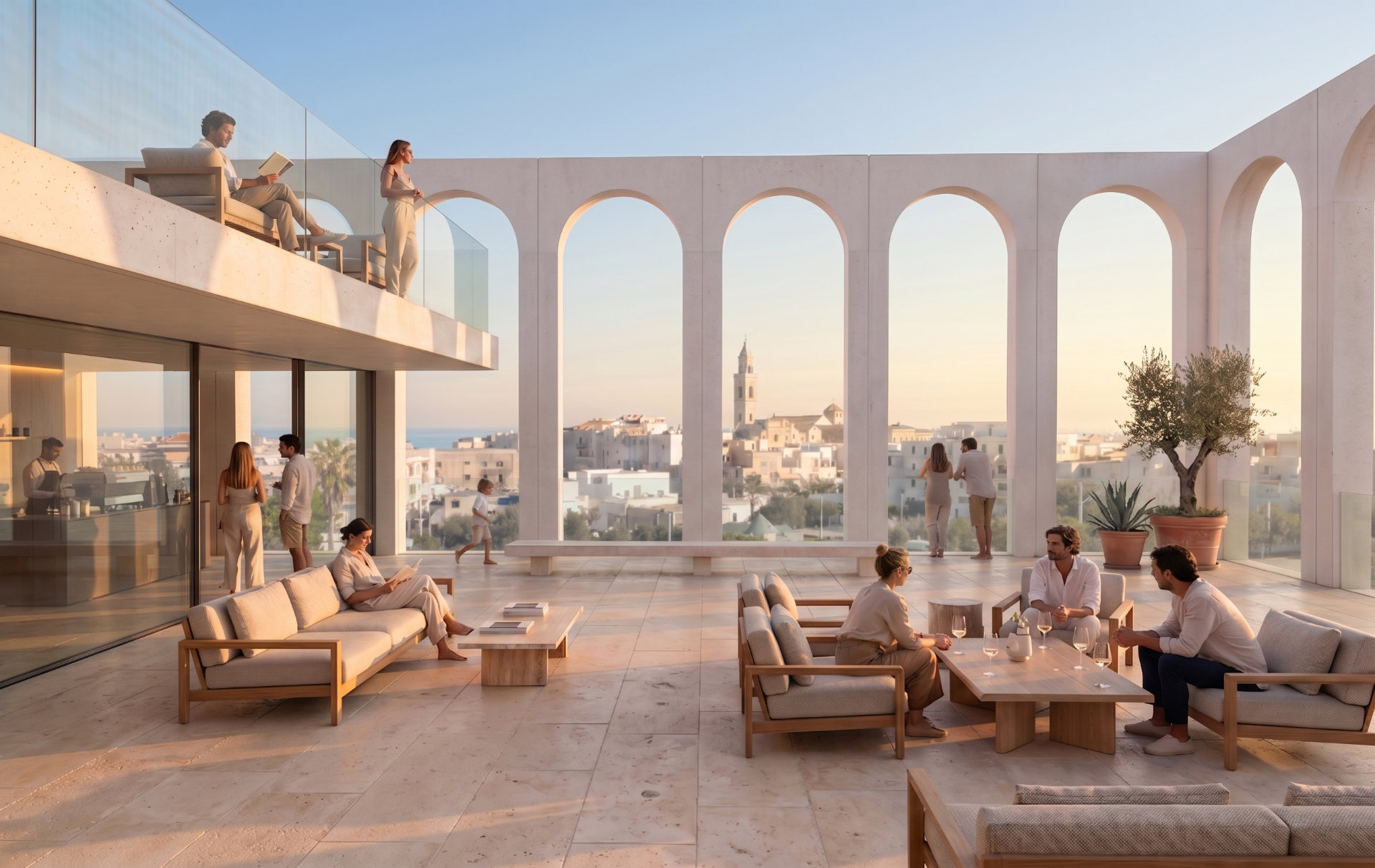
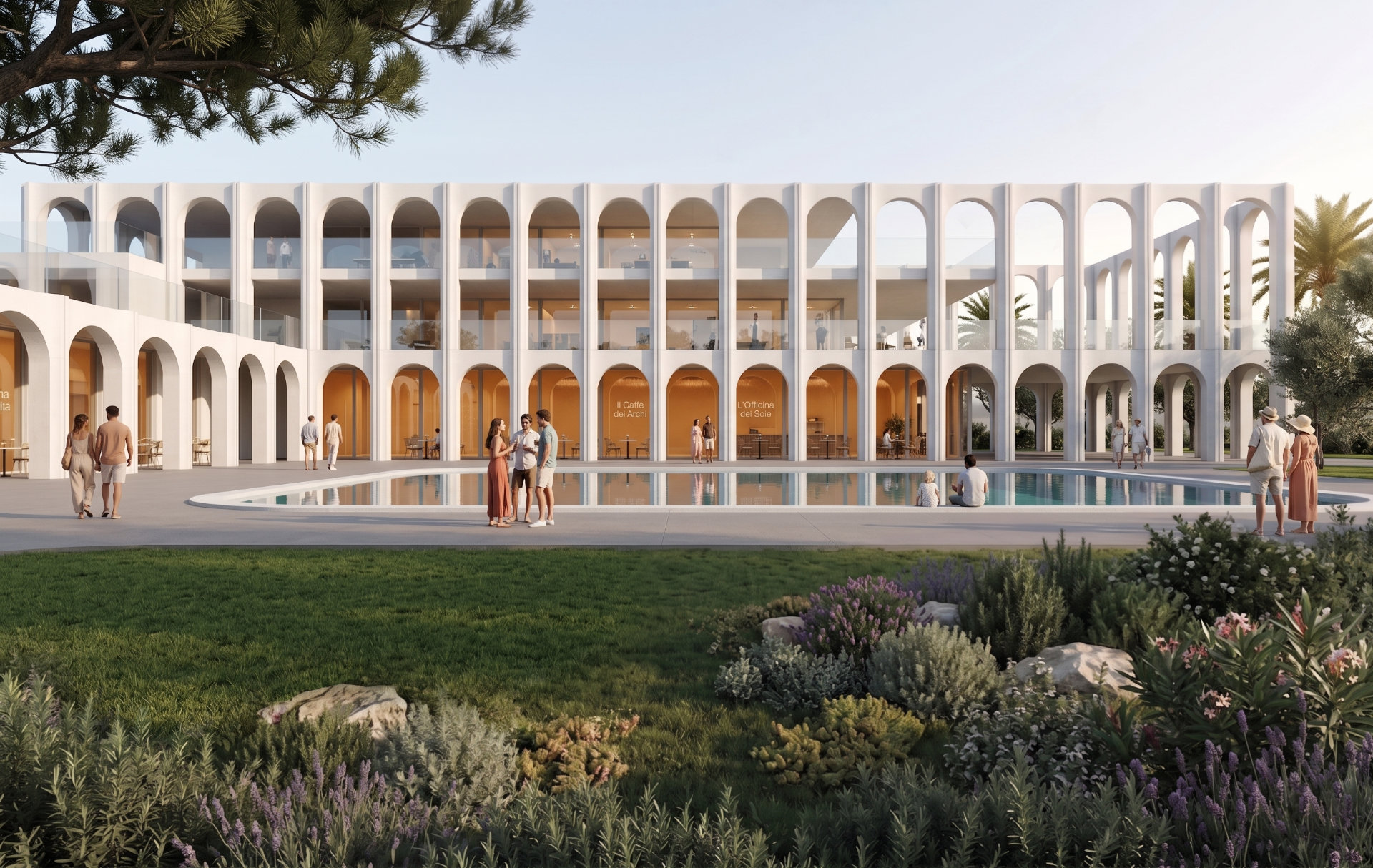
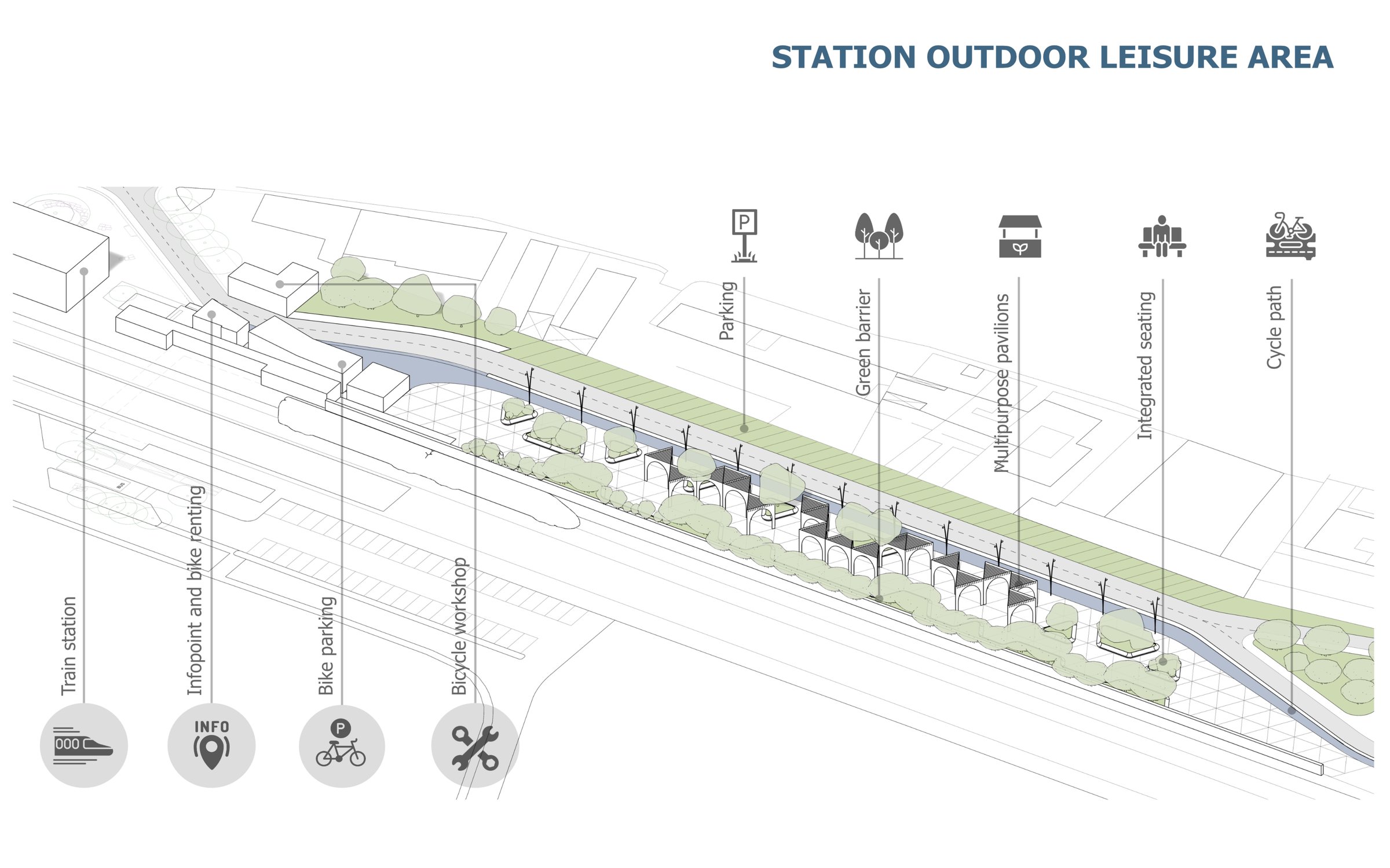
The masterplan envisages the transformation of the Distretto Marconi into a low-density residential neighbourhood with high energy standards, integrated with a new urban park and connected to the cycle and pedestrian network. Via Lepore becomes an axis of sustainable mobility with a new intermodal hub. The railway station opens up to the landscape with an outdoor leisure area along Viale Trieste. Each intervention is tailored to the scale and character of the existing town: rather than imposing an alien urban model, it reactivates the potential of places already present within Polignano’s fabric.
The proposal received a special mention at the Europan 18 competition, an accolade recognising the quality of the strategic vision and the coherence between contextual analysis and design solution. The team, comprising Barberio Colella Architetti with Angelo Figliola and Khaled Jamal, brought complementary expertise in architectural design, urban planning and mobility analysis. Polymnia Futura demonstrates that urban regeneration in Southern Italy is not merely a question of funding, but of project quality: the ability to interpret a territory, identify the right levers and propose a concrete alternative to growth through expansion.
Renders & Photos
Technical specifications
- Location
- Polignano a Mare, Apulia, Italy
- Year
- 2025
- Client
- Europan 18 (European architecture and urban planning competition)
- Typology
- Urban regeneration, masterplan, sustainable mobility
- Status
- Concept – Europan 18 special mention
- Designers
- Barberio Colella Architects (Maurizio Barberio, Micaela Colella), Angelo Figliola, Khaled Jamal
- Awards
- Europan 18 special mention
Technical drawings
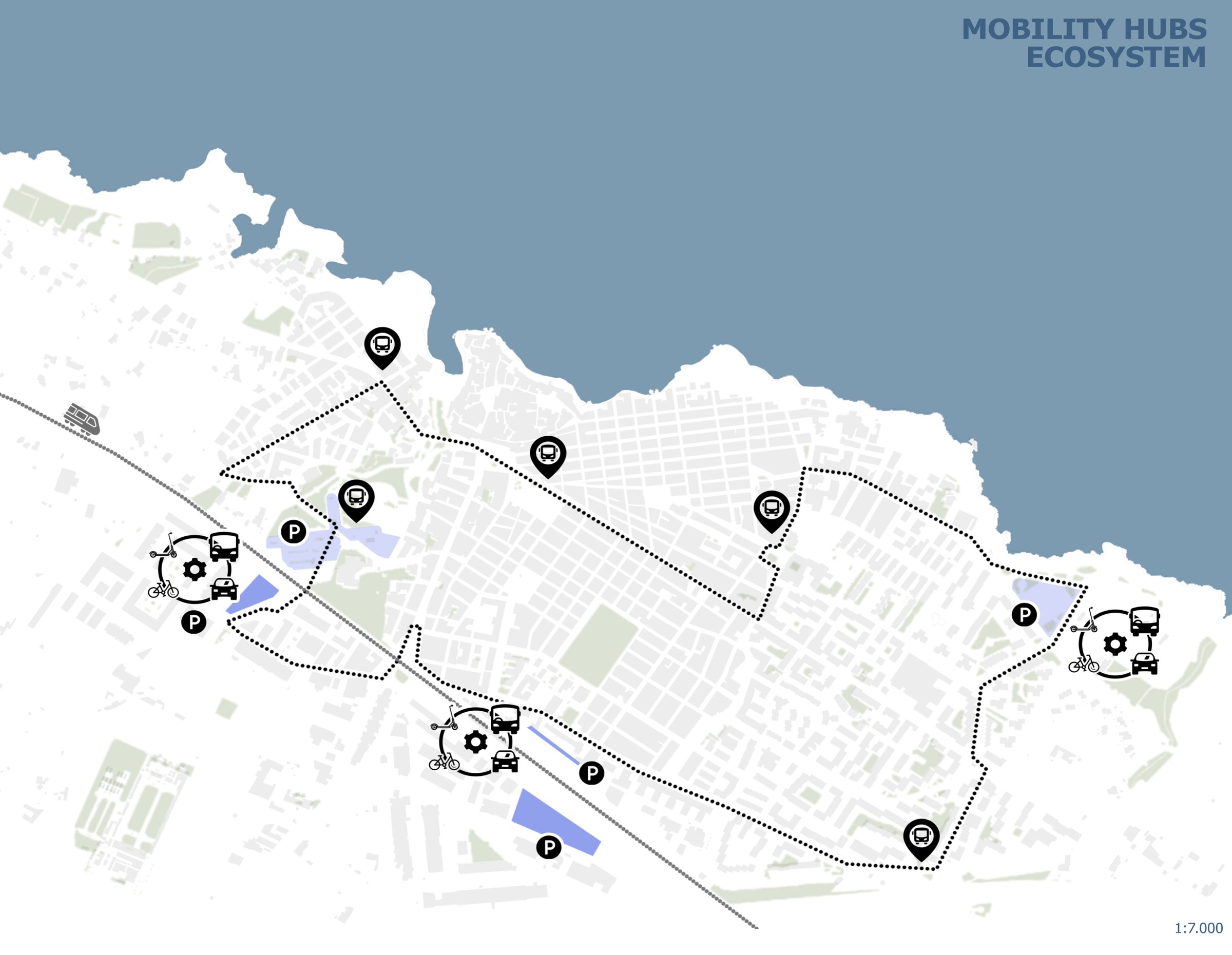
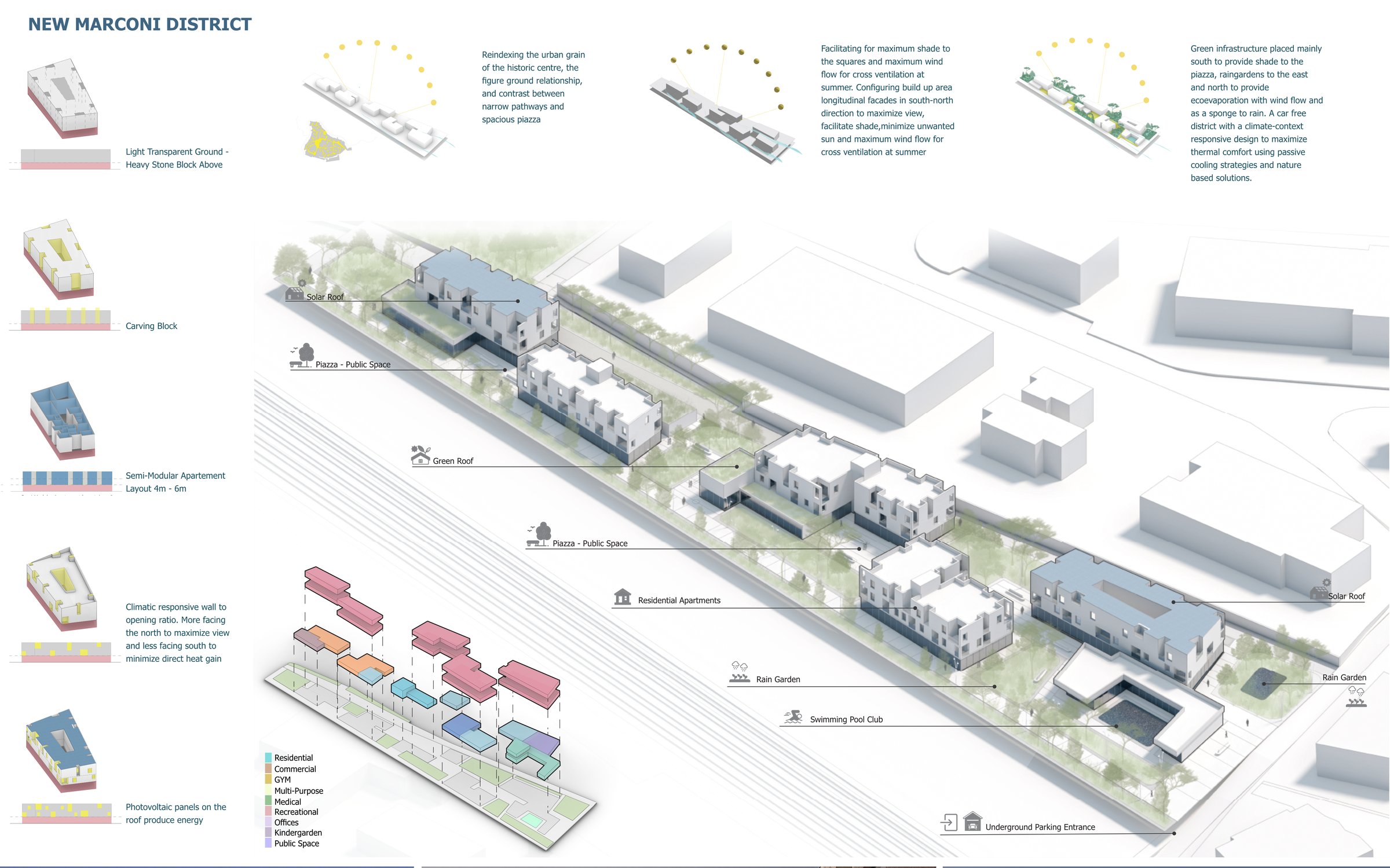
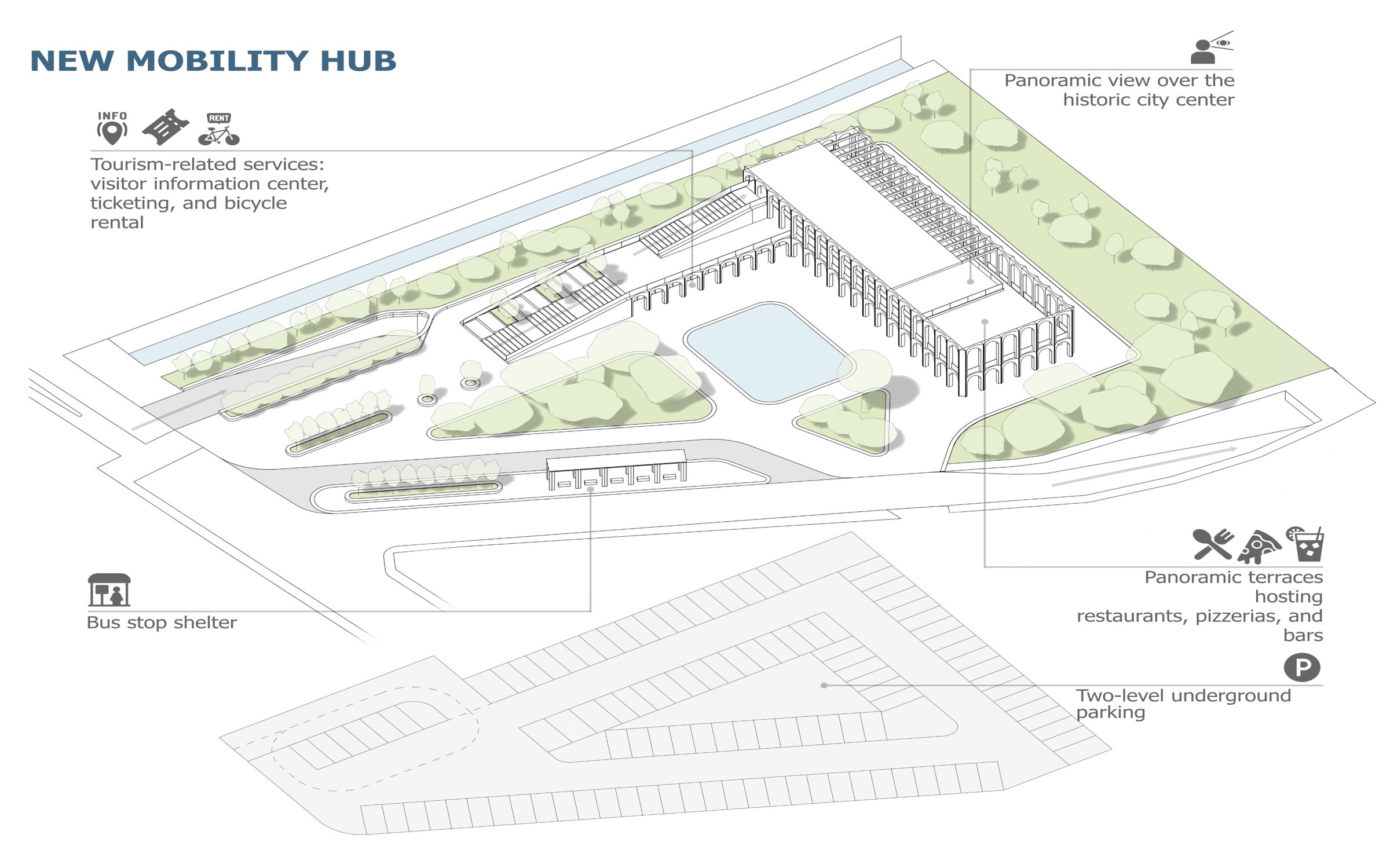
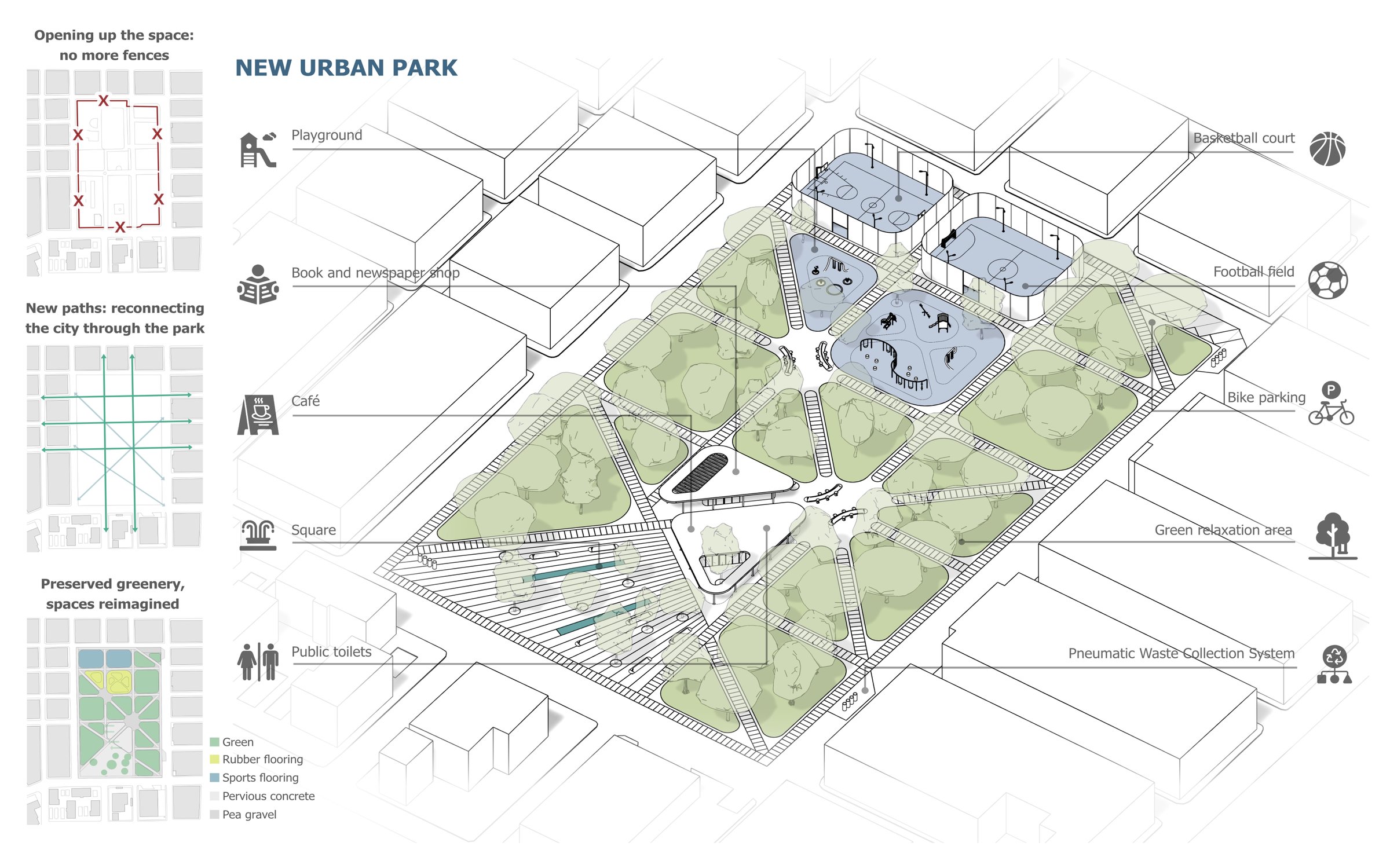
How can a tourist town in Apulia be regenerated beyond its historic centre?
Apulian tourist towns operate at two speeds: the historic centre is being enhanced, restored, and attracts investment and visitors. The neighbourhoods around the station, the suburbs beyond the railway line, and the residential neighbourhoods built in the 1960s–1980s remain stagnant, with residual public spaces, transport reliant entirely on road vehicles, and no proper connection to the heart of the town. European and state funds provide resources, but without a coherent urban plan, those resources result in isolated interventions that do not alter the city’s structure. Polymnia Futura demonstrates that a different approach is possible in Polignano a Mare: viewing the area as a system, identifying strategic focal points (transport, green spaces, densification) and proposing a gradual transformation, tailored to the scale and identity of the place.
Frequently Asked Questions
Is your town or local authority considering an urban regeneration project?
Polymnia Futura demonstrates that the quality of the project is the decisive factor in urban regeneration, not just the availability of funds. If your local authority or organisation is working on an urban regeneration plan, we can discuss the most suitable project strategy for your context.
Let’s talk about your projectRelated projects
Sustainable Design
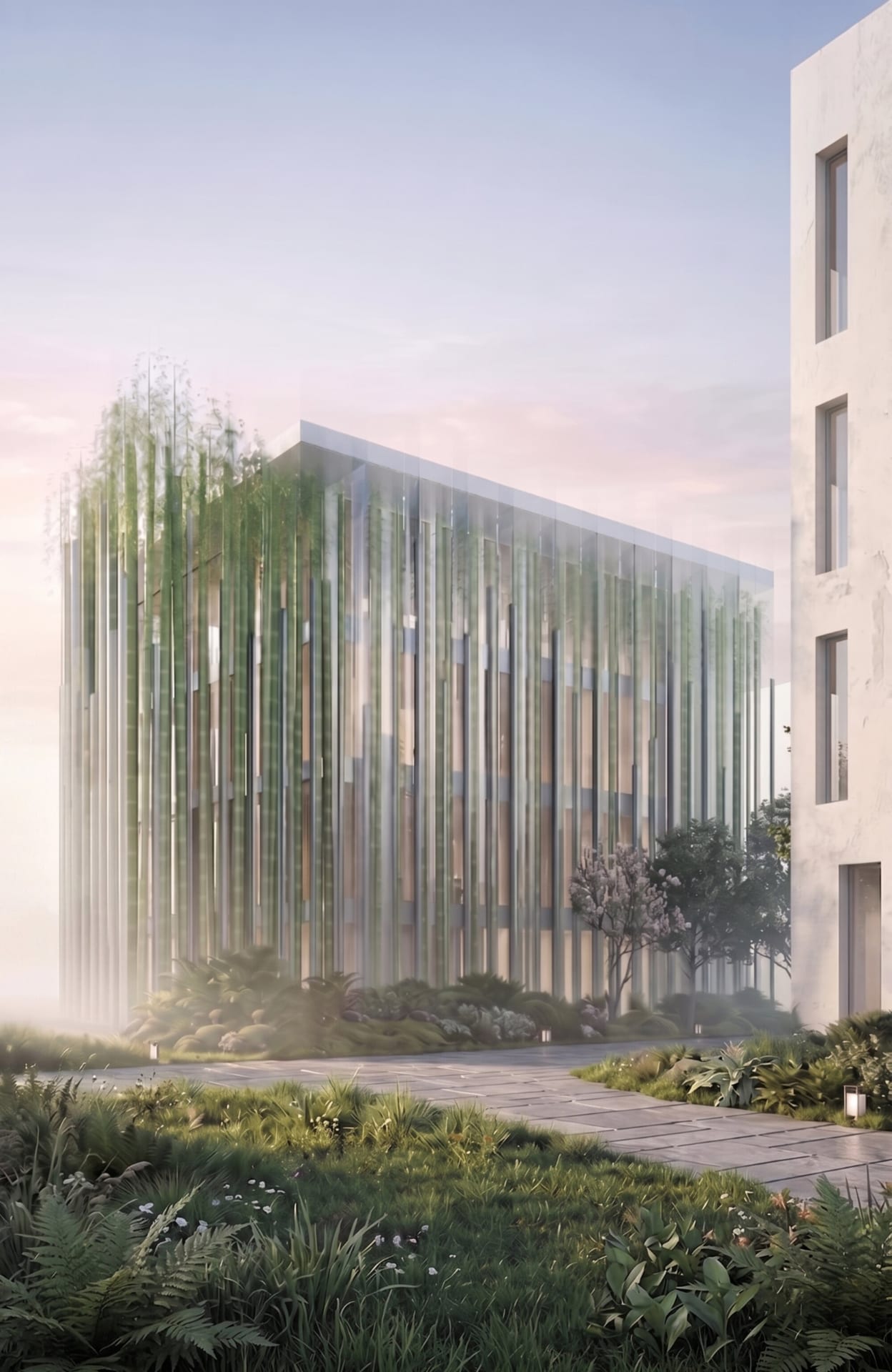
BAMBOO OFFICE
A building where the facade serves as the primary climate control system: a fifteen-metre-high bamboo forest that filters light, heat and wind.
Sustainable Design
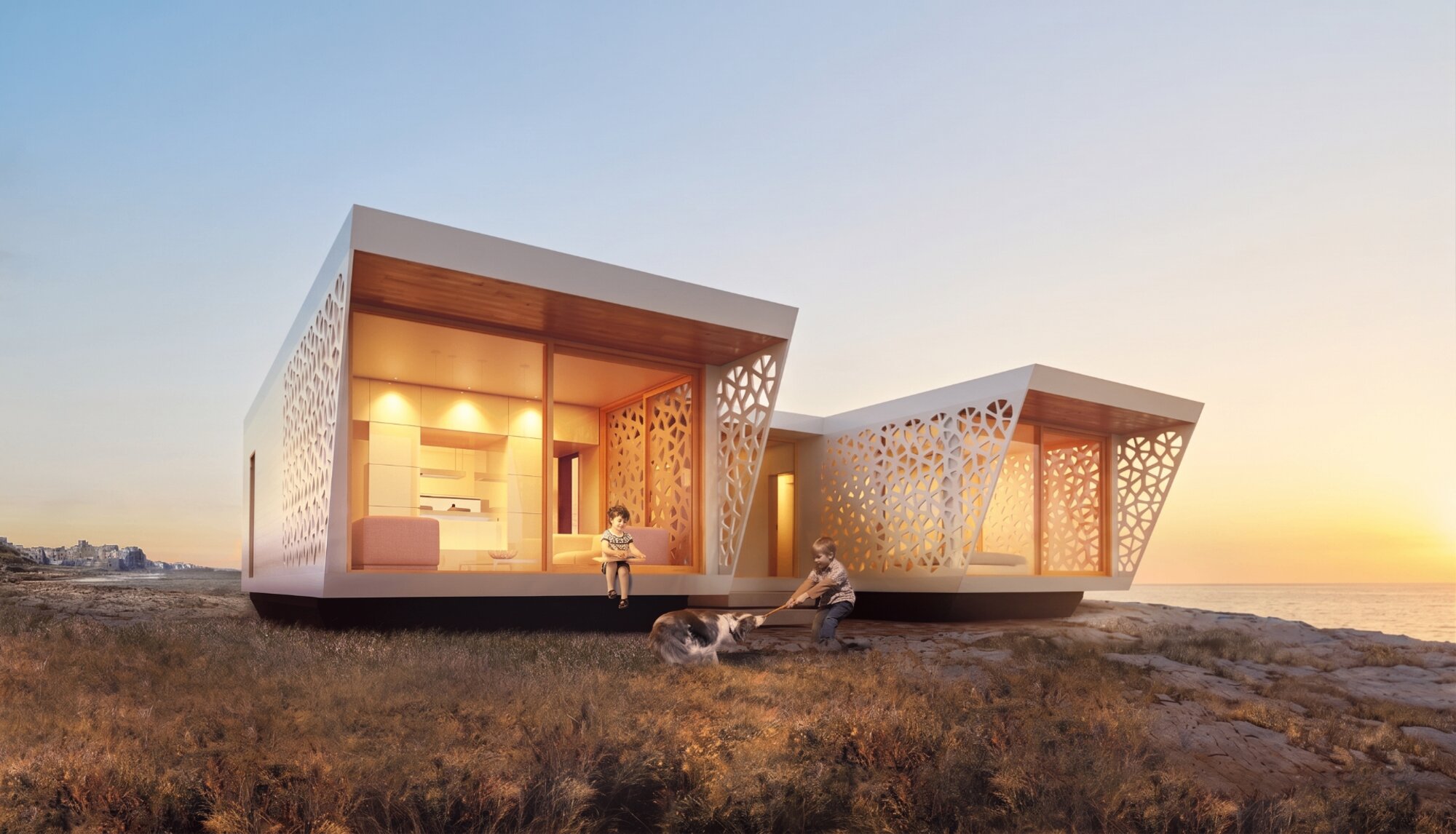
UNBOXED
A fully prefabricated, demountable and 100% recyclable X-lam house, designed to demonstrate that timber construction is a viable alternative to brick and mortar in southern Italy.
Public & Commercial Architecture
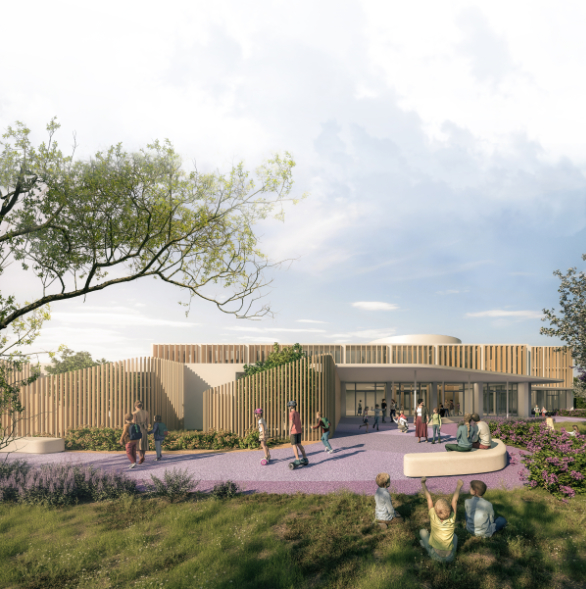
TRANI SCHOOL
A new nursery and primary school complex that transforms a derelict area of Trani into an educational urban park, featuring a civic square and a regenerative approach that goes beyond the NZEB logic.