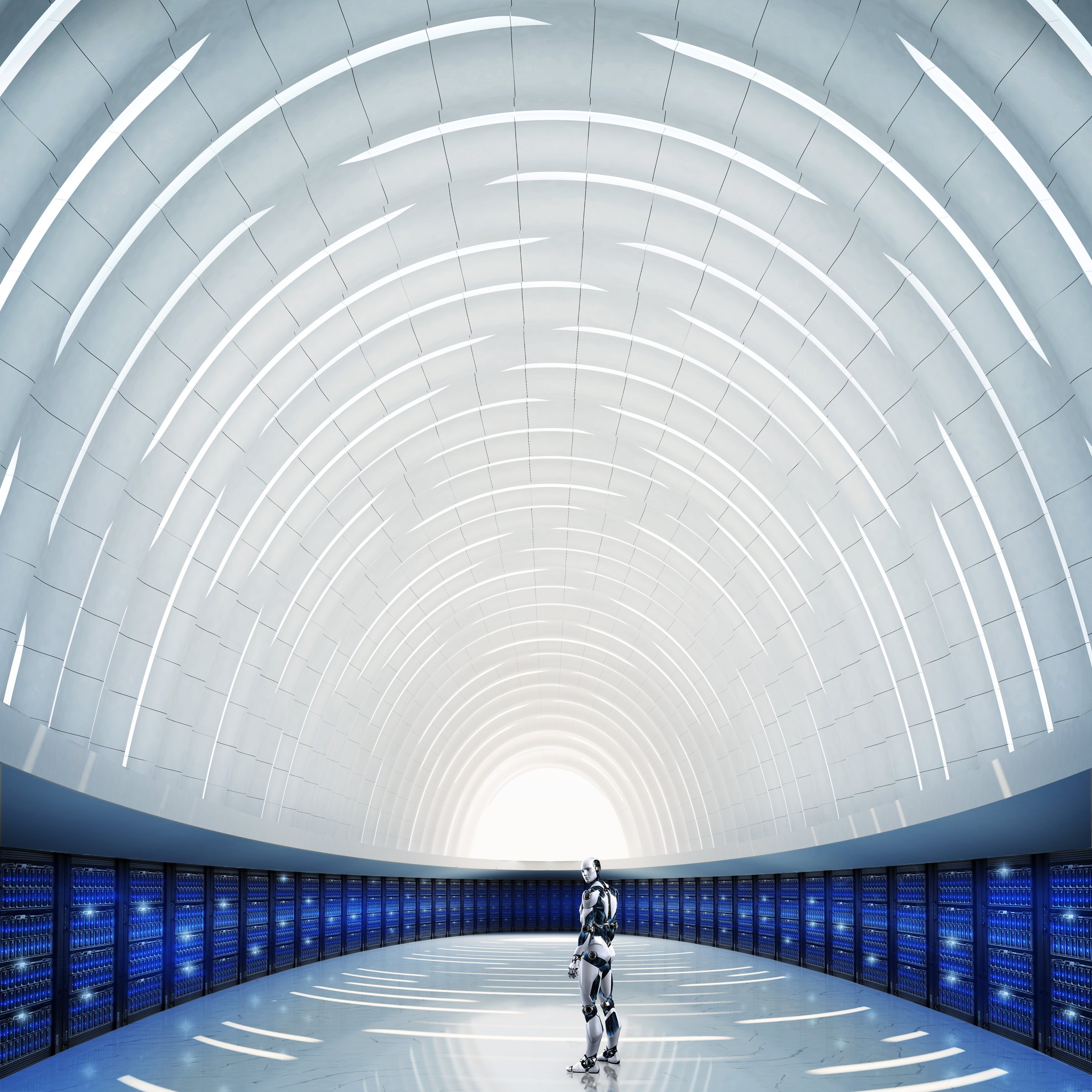
Additive Stereotomy – 3D-printed vaulted structures
A new construction system that combines traditional stereotomy with additive manufacturing to create optimised vaulted spaces.
2018 · Research · Installation and research · 3D Printed Design + Digital & Parametric Design
From the art of stone cutting to the science of addition
Stereotomy, the art of cutting solid materials into blocks that interlock to form self-supporting structures, has produced the most extraordinary stone vaults in Western and Islamic architecture. But from the 18th century onwards, with the advent of reinforced concrete (RC) and steel, this discipline fell into obscurity for over two centuries. Additive Stereotomy stems from the belief that Industry 4.0 technologies can pave the way once more for the construction of complex vaulted forms, making them simpler, more cost-effective and structurally optimised.
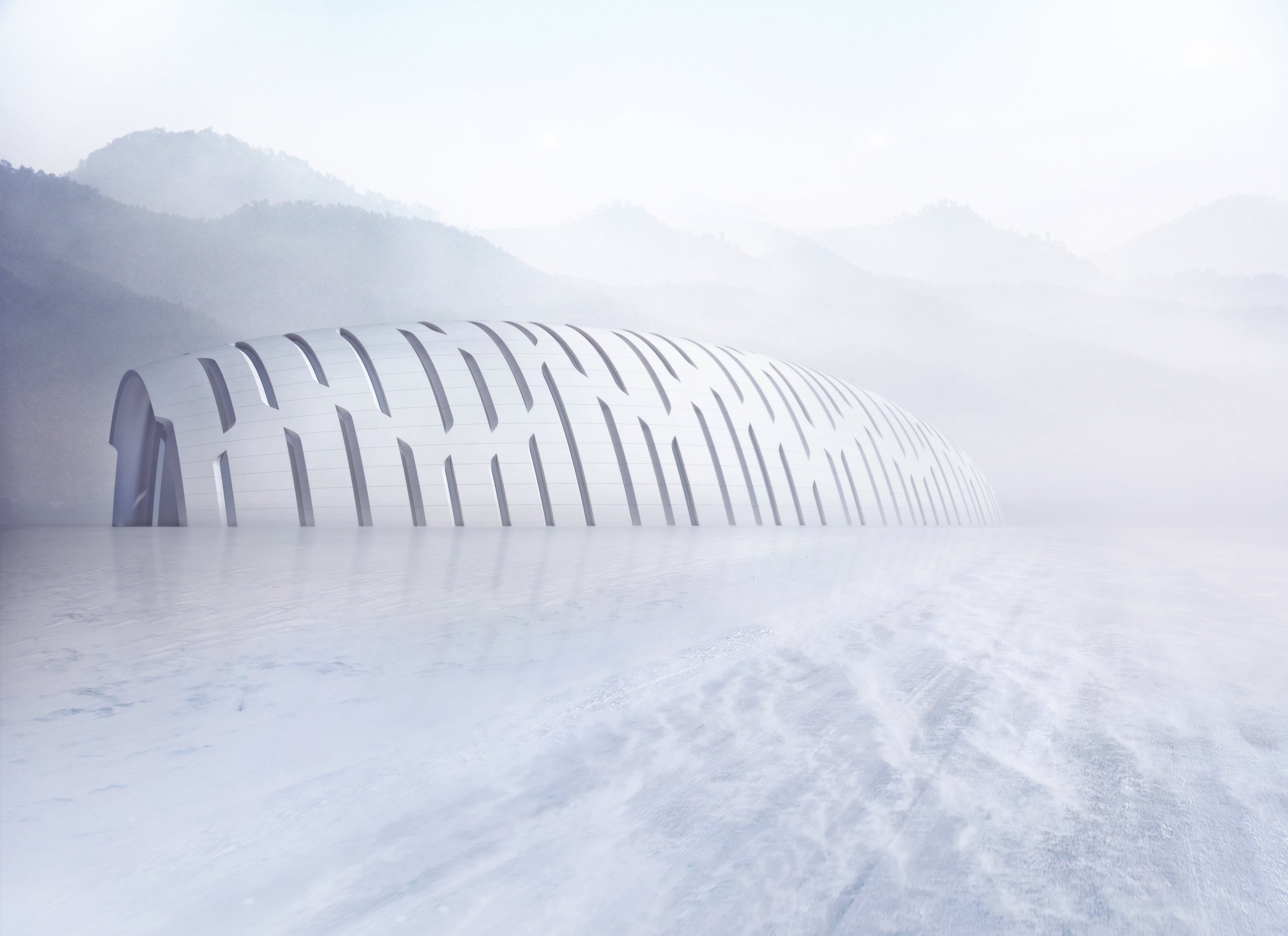
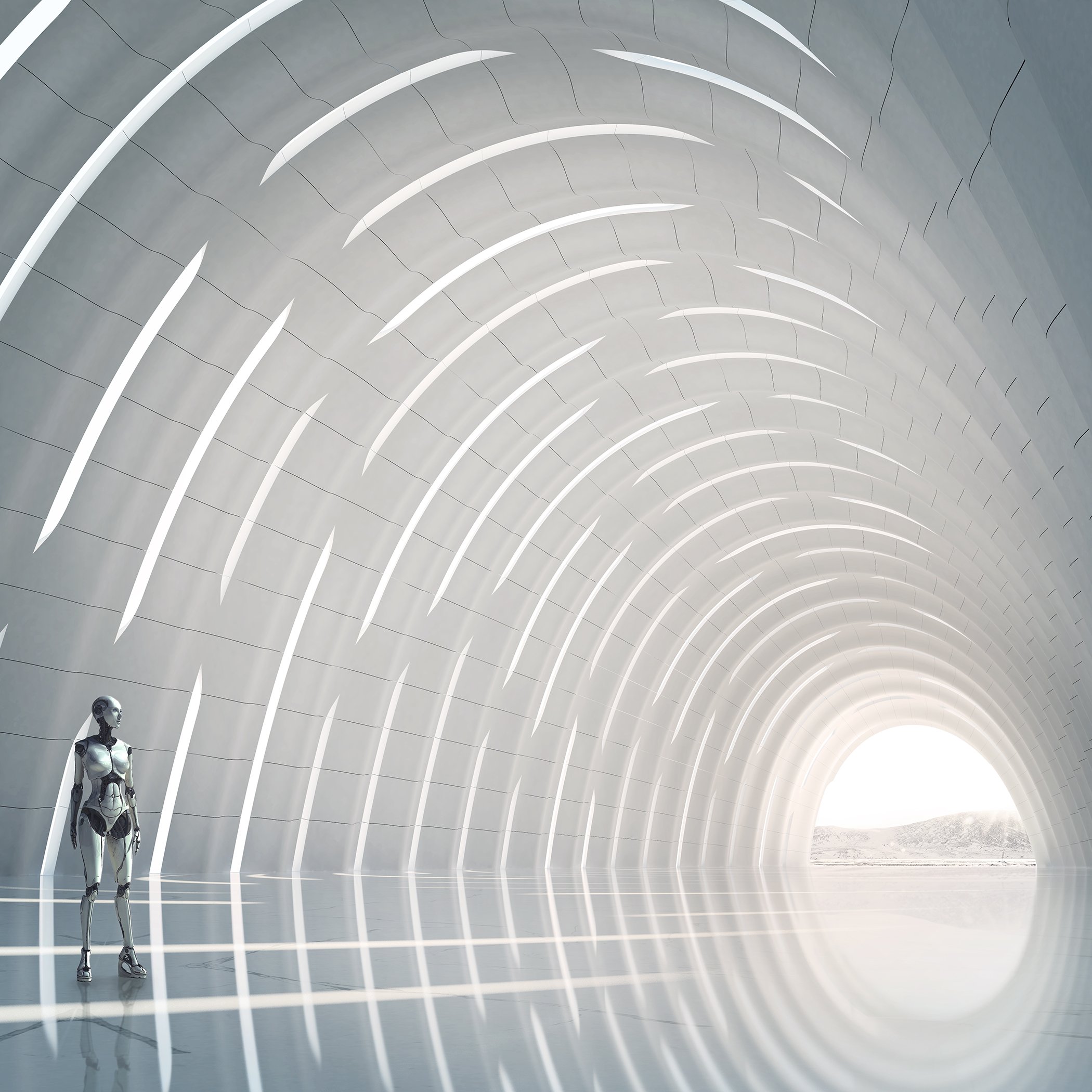
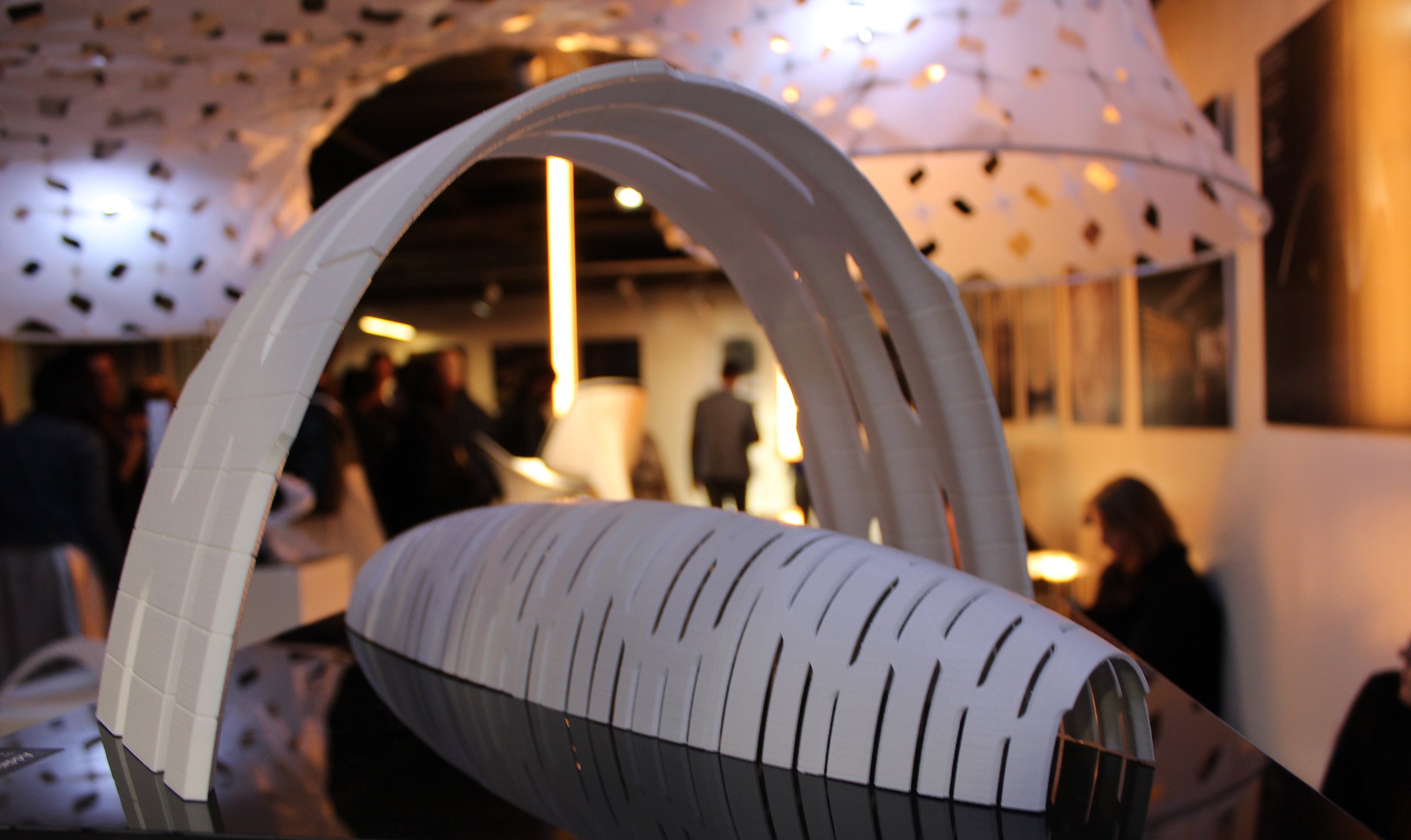
The system designed by Barberio and Colella, in collaboration with Summum Engineering, overturns traditional construction logic: a series of adjacent, statically independent arches spans a large open space, forming a ‘false vault’ where each arch supports only its own weight and the prestressing loads. This scheme eliminates the critical issues of traditional vaults: in the event of an earthquake, each arch responds independently, reducing the risk of global collapse; and the roof can be perforated to allow natural light in without compromising its stability.
Each voussoir is topologically optimised: no longer solid blocks but elements with a variable percentage of internal cavities, designed to achieve a state of constant stress. Fabrication is carried out using binder jetting technology (as well as material extrusion), i.e. industrial 3D printers that solidify stone powders into high-precision components. The project is developed entirely in Grasshopper, creating a synergy between parametric design and computational engineering.
The first design application was presented at the New York Institute of Technology in 2018, as part of the Stereotomy 2.0 exhibition curated by Giuseppe Fallacara and Christian Pongratz: a reinterpretation of Boullée’s National Library, where servers and supercomputers take the place of books, contemporary equivalents for the preservation of human knowledge.
Renders & Photos
Technical specifications
- Location
- New York (presentation) / research project
- Year
- 2018
- Client
- Academic research
- Typology
- Construction system / installation
- Status
- Concept + small-scale prototype
- Designers
- Maurizio Barberio, Micaela Colella
- Contributors
- Diederik Veenendaal (Summum Engineering, structural engineering), Concr3de (additive manufacturing technology), Simone Rutigliano (topological optimisation, follow-up to his undergraduate thesis at the Polytechnic University of Bari, 2020)
- Awards
- Presented at the Stereotomy 2.0 exhibition, NYIT, curated by G. Fallacara and C. Pongratz
- Publications
- Springer Nature (Digital Wood Design, Architecture 4.0), Nexus Network Journal
- Main materials
- Stone powders solidified using binder jetting (Concr3de technology), prestressing cables
Technical drawings
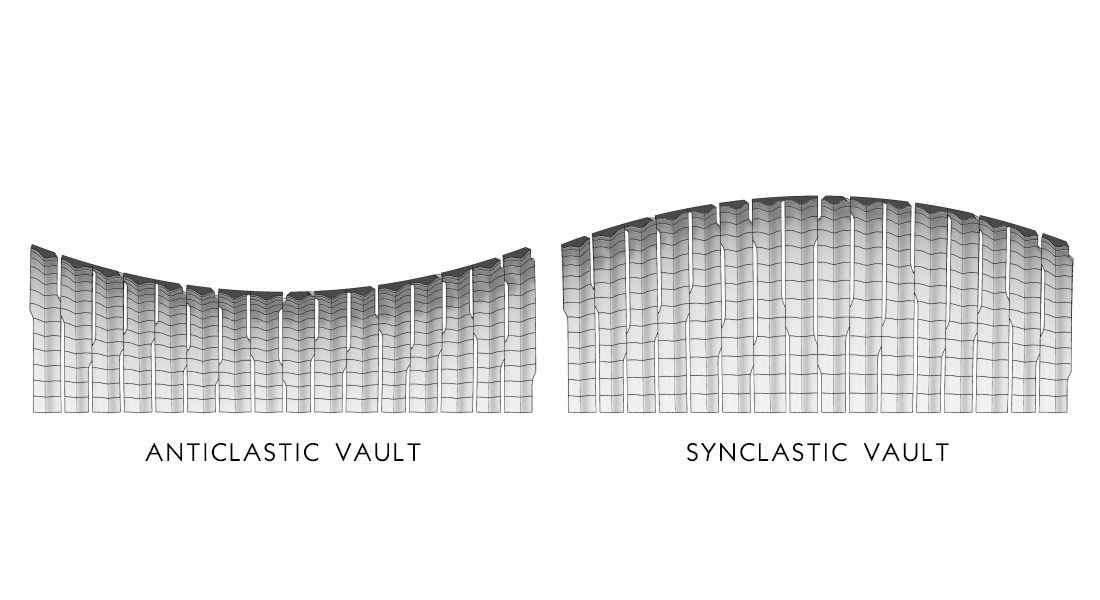
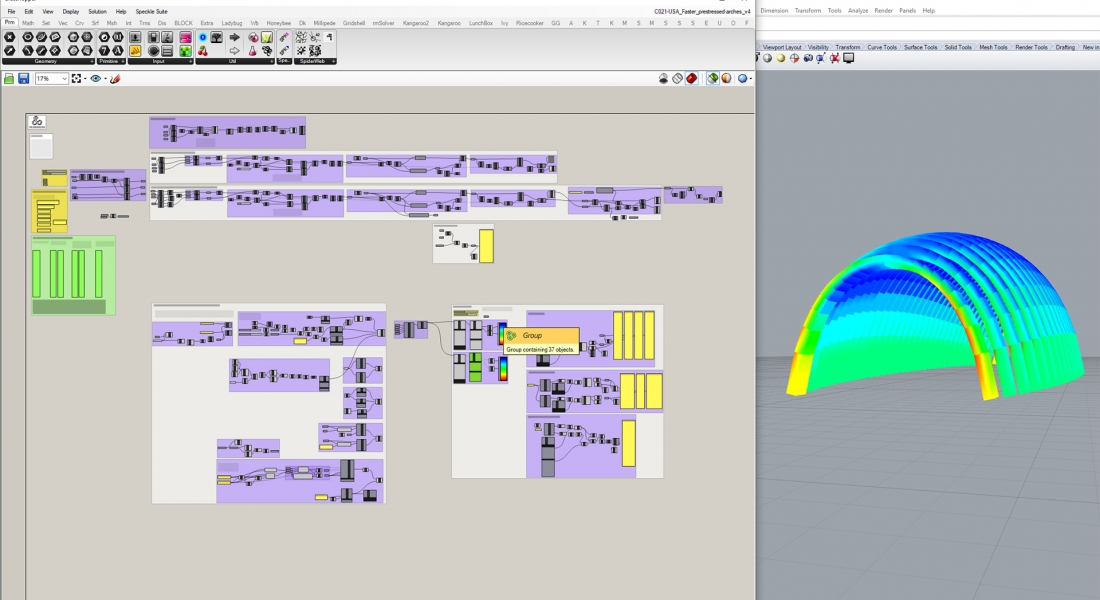
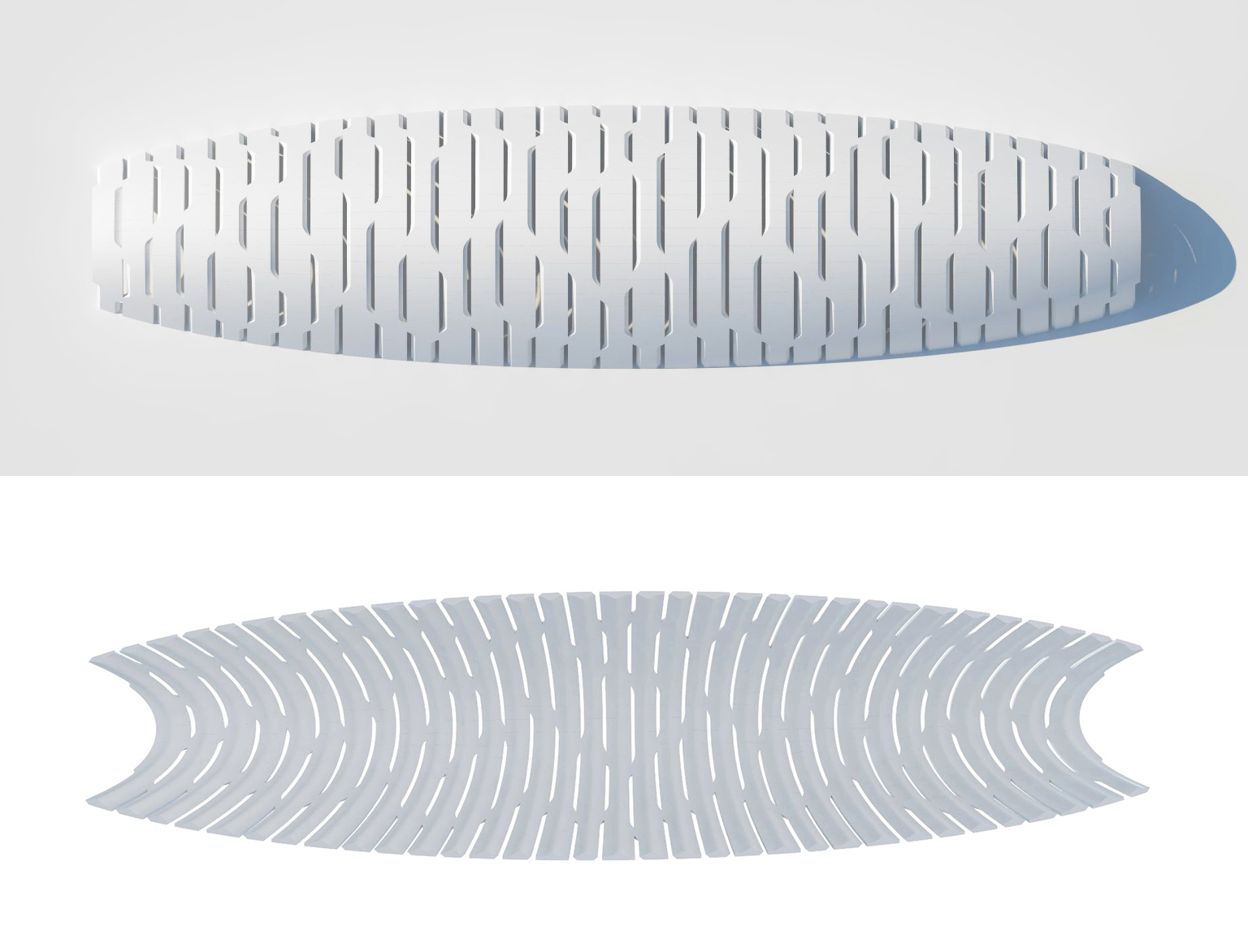
Are complex vaulted structures buildable without the costs and limitations of traditional construction?
Stone vaults require costly temporary formwork, hard-to-find skilled labour and massive quantities of material. Reinforced concrete (RC) structures are simpler but produce repetitive geometries. Additive Stereotomy proposes a third way: 3D-printed prefabricated arches with topologically optimised voussoirs, which can be assembled and disassembled thanks to central cable prestressing. The result is a vaulted structure that uses the minimum amount of material required, concentrating the load-bearing mass only where it is needed, a principle made possible only by computational design and additive manufacturing.
Frequently Asked Questions
Do you have a project that requires vaulted structures or stereotomic components?
Whether you are exploring vaulted structures, complex roof systems or architectural elements with non-standard geometries, BCA has the research and design expertise to translate your concept into a buildable system using additive manufacturing.
Send us your brief[Send your brief]
Related projects
Sustainable Design
URBAN DUNES
A 3D-printed desert sand structure that transforms a public space into a passively air-conditioned urban oasis.
Sustainable Design
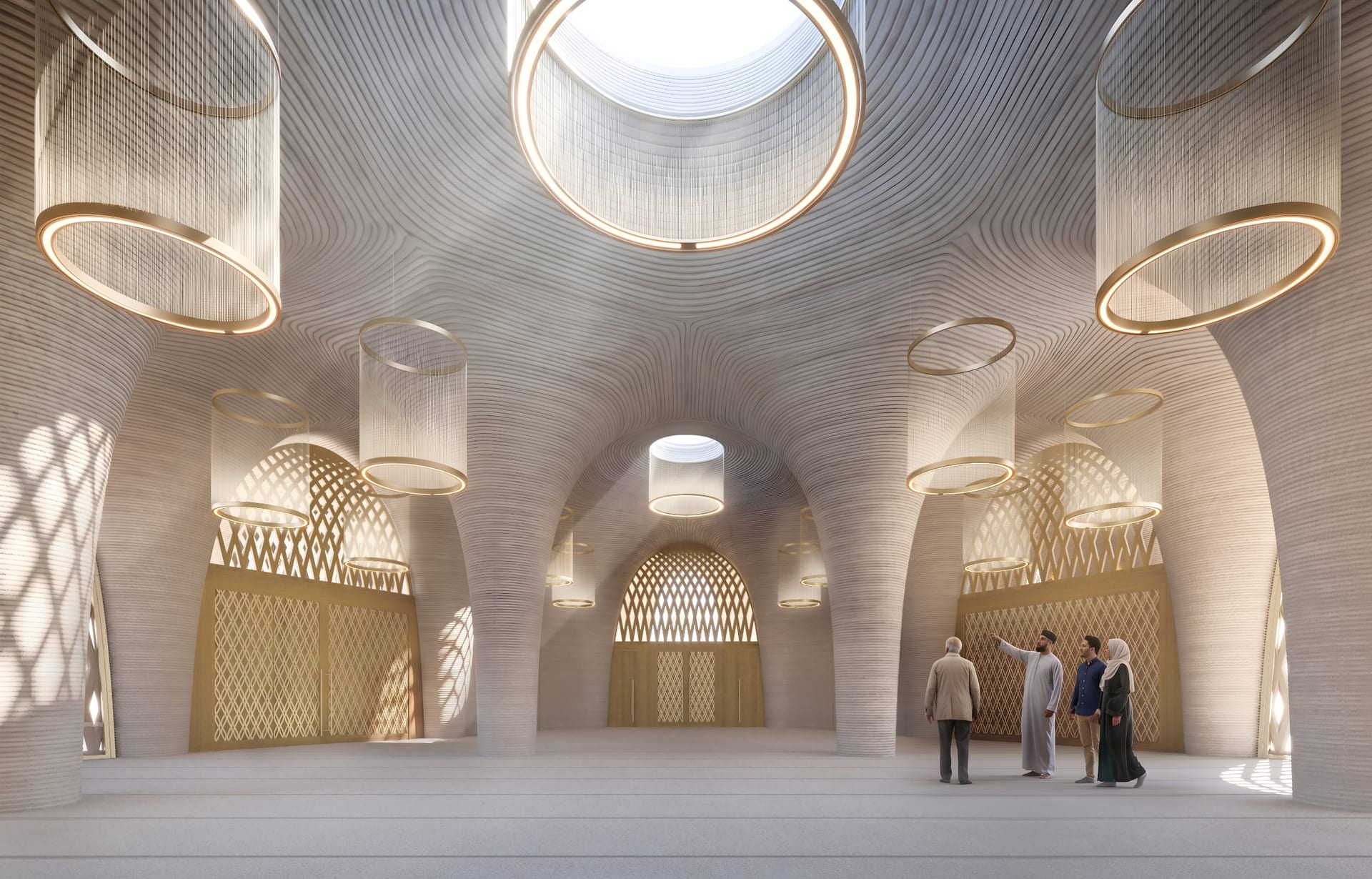
3D-PRINTED MOSQUE
A place of worship where additive manufacturing makes it possible to create complex vaulted surfaces at a sustainable cost, reinterpreting Islamic architecture using contemporary techniques
3D Printed Design
FIRST STONE
Hurricane-proof houses costing $99,000, 3D-printed for those who cannot secure a traditional mortgage.